
.png)



Symposia
Couples / Close Relationships
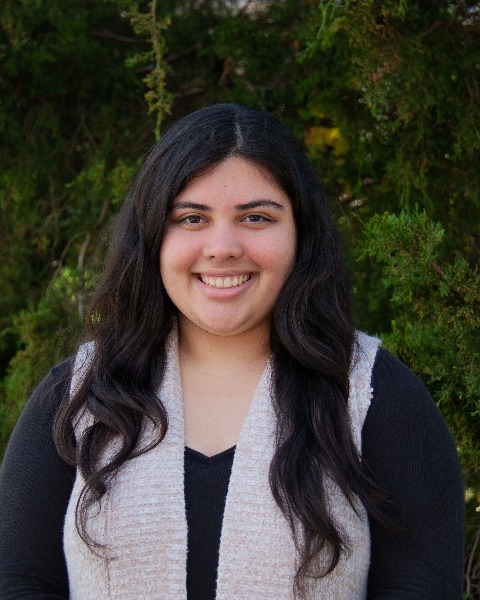
Allison Tobar-Santamaria, M.S. (she/her/hers)
Graduate Research Assistant
Virginia Polytechnic Institute and State University
Blacksburg, VA, United States
Allison Tobar-Santamaria, M.S. (she/her/hers)
Graduate Research Assistant
Virginia Polytechnic Institute and State University
Blacksburg, VA, United States
monica Ahrens, Ph.D.
Research Scientist
Virginia Tech
Blacksburg, VA, United States
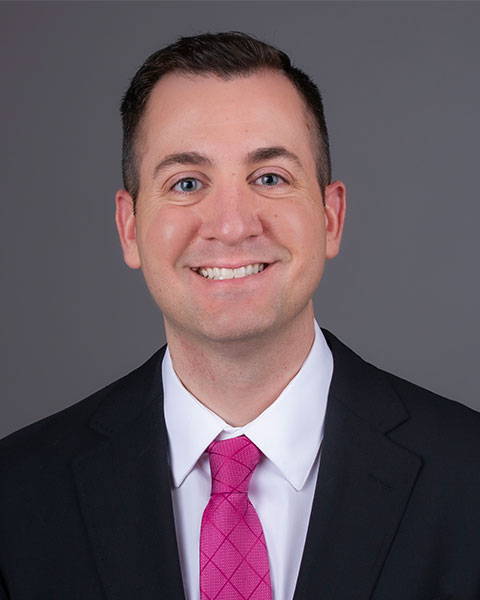
Brian Feinstein, Ph.D. (he/him/his)
Associate Professor
Rosalind Franklin University
N Chicago, IL, United States
Ryan Shorey, Ph.D.
Assistant Professor
University of Wisconsin, Milwaukee
Milwaukee, WI, United States
Meagan J. Brem, Ph.D.
Assistant Professor
Virginia Tech
christiansburg, VA, United States
Sexual minority individuals are at high risk for intimate partner violence (IPV; psychological, physical, sexual) victimization and heavy alcohol use relative. Sexual minority individuals experience several forms of sexual minority stress (SMS; e.g., discrimination, harassment, stigma) that may exacerbate IPV-related stress to enhance risk for alcohol use. This pilot study examined the moderating role of daily SMS in the relationship between IPV victimization and same- and next-day alcohol use among multigender-attracted individuals (e.g., bisexual, pansexual, demisexual) and their partners with minoritized sexual identities. We hypothesized that IPV victimization would positively associate with odds of subsequent alcohol use (# drinks, any drinking), and that greater exposure to daily SMS would strengthen this association.
Eligibility: ≥1 partner must identify as multigender-attracted, 18-30 years old, with at least weekly drinking. Heterosexual partners were not included in these analyses because none reported daily SMS. Participants (N=43 individuals) completed 60 consecutive days of surveys on alcohol use, IPV, and SMS. Participants were primarily white (74.4%), bisexual (46.5%) women (51.2%).
All participants consumed alcohol at least once during the study. There were 159 days of SMS across 29 individuals. To account for the correlated outcomes, we included a random intercept and slope for participant and a random intercept for couple. Daily SMS did not moderate the association between IPV victimization and subsequent alcohol use. A Poisson regression model showed a main effect: experiencing daily SMS associated with an increased rate of drinking by 2.2 times (exp=.78, p < .001). A logistic model examining any drinking post-IPV showed odds of drinking increased by 2.16 times after experiencing SMS (exp=.77, p < .001). With daily SMS in the model, IPV victimization did not associate with odds of subsequent drinking.
Findings support the need for inclusive couple-level interventions that help sexual minority couples manage daily SMS. Community-level interventions that target SMS towards sexual minority individuals may have implications for reducing alcohol use.