
.png)



Symposia
Spirituality and Religion
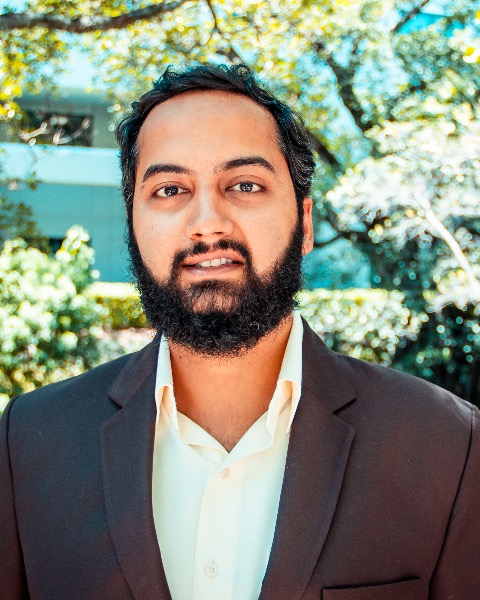
Salman S. Ahmad, M.S.
Psychology Doctoral Intern
University of Miami
Philadelphia, Pennsylvania, United States
Amy G. Weisman de Mamani, Ph.D.
Professor
University of Miami
CORAL GABLES, FL, United States
Introduction: The mental health of Muslim Americans is at-risk due to high discrimination and the low utilization of mental health services. Low knowledge of mental health and available resources, and high stigma of seeking services, are major hurdles to care in Muslim communities. Community psychoeducation is often relied upon for changing systemic attitudes and behaviors around stigma and care, yet implementation science and theory on these interventions are scarce. To help address mental health service gaps for minoritized groups, this study identified barriers and facilitators to the implementation of an Islamically-integrated and discussion-based psychoeducational workshop, called an Islamic Lens on Mental Health (ILM). ILM was delivered to 7 Muslim communities in Florida and was previously found to be efficacious in addressing stigma, knowledge, and other factors associated with low Muslim help-seeking (Ahmad et al., in preparation).
Methods: Content analysis was performed on post-ILM (n = 90) and follow-up (n = 44) qualitative feedback from attendees on perceived benefits of ILM and areas of improvement. Observations and adaptations made when delivering ILM and consulting with community stakeholders were also noted. We then analyzed these findings through Chaudoir et al.’s (2013) multilevel framework for identifying gaps in knowledge across health intervention modalities, to identify barriers and facilitators to implementing ILM.
Results: Categories of perceived benefits included: knowledge, shifted perspective, help-seeking, and resources. Areas of improvement included: logistics, help-seeking, mental health knowledge, and special topics/populations. Observations, adaptations, and stakeholder conversations centered on surveys, community liaisons, timing, attendees, and need. Overall, ILM is feasible and acceptable. Yet various barriers and facilitators were identified at the participant (barrier: low English proficiency; facilitator: mental health advocate), provider (new to community; culturally informed), intervention (long; interactive), organization (uninvolved community liaison; imam endorsement), and structural (societal stigma; Islamic focus) levels.
Discussion: Culturally informed community psychoeducation is critically needed to support access to and the utilization of mental health services among minoritized groups such as Muslim Americans. Our findings can be leveraged in future programs and guide additional implementation science efforts in this intervention modality.