
.png)



Symposia
Treatment - CBT

Jason Luoma, Ph.D. (he/him/his)
CEO
Portland Psychotherapy Clinic, Research, & Training Center
Portland, OR, United States
M. Kati Lear, PhD (she/her/hers)
Associate Scientist
Portland Institute for Psychedelic Science
Portland, OR, United States
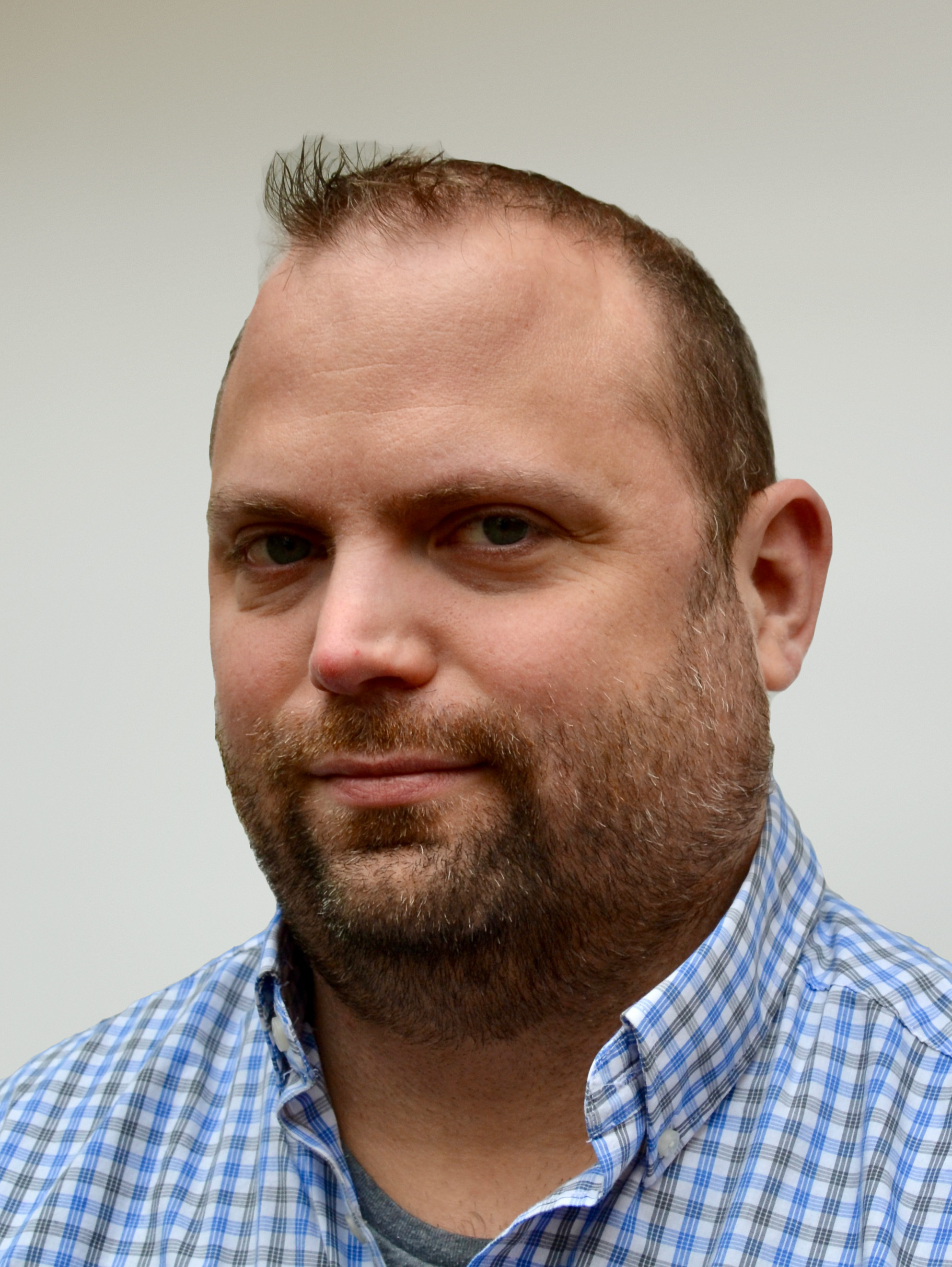
Brian Pilecki, Ph.D. (he/him/his)
Clinical Psychologist
Portland Psychotherapy
Portland, OR, United States
Jenna LeJeune, PhD (she/her/hers)
Psychologist
Portland Institute for Psychedelic Science
Portland, OR, United States
Kyong Yi, LCSW (she/her/hers)
Research Therapist
Portland Institute for Psychedelic Science
Portland, OR, United States
Aryan Sarparast, MD (he/him/his)
Assistant Professor
oregon Health and Scient University
Portland, OR, United States
Seth Mehr, MD (he/him/his)
Physician
Cascade Psychedelic Medicine
Portland, OR, United States
Social anxiety disorder (SAD) is a prevalent and debilitating condition that impairs social functioning and quality of life, with current treatment options often limited by non-response and dropout. Building on promising Phase 2/3 data for MDMA-assisted therapy (MDMA-AT) in post-traumatic stress disorder—and preliminary findings in autistic adults with social anxiety—this randomized delayed-treatment control clinical trial examined whether MDMA-AT can improve symptoms and functioning in adults with generalized SAD when combined with exposure-based interventions.
Between September, 2022 and July, 2024, 20 English-speaking adults meeting DSM-5 criteria for generalized SAD (Liebowitz Social Anxiety score ≥60) were enrolled and randomized to either immediate MDMA-AT (n = 10) or a 16-week delayed-treatment control (n = 10). The intervention comprised three 90-minute preparation sessions, two medication sessions (initial dose of 80 mg and 120 mg in the two sessions respectively, and a supplement dose of 40mg in each session when not contraindicated), and six 90-minute integration sessions. Notably, intervention development integrated in vivo and imaginal exposure components along with imagery rescripting in a novel task specifically designed to leverage MDMA’s unique pharmacological effects. These exposure strategies aimed to facilitate the revealing of self-perceived flaws in a context of increased emotional safeness and enhanced neuroplasticity, thereby promoting corrective learning and more enduring symptom relief.
Outcome assessments were conducted by blinded raters using the clinician-administered Liebowitz Social Anxiety Scale (LSAS) as the primary measure. At the primary 16-week primary outcome assessment, the immediate treatment group had significantly lower mean scores on the LSAS (M = 52.0, SD = 25.3) compared to the delayed treatment group (M = 87.7, SD = 12.1) , t(19) = 4.03, p < .01, with a large size between group effect (d = 1.8). No serious adverse events were reported.
This clinical trial provides preliminary evidence that MDMA-AT can significantly reduce social anxiety symptoms in adults with generalized SAD. In particular, the integration of MDMA with tailored exposure therapy may enhance the therapeutic process by reducing avoidance, increasing authentic engagement with feared social cues, and promoting robust expectancy violations—mechanisms that are critical for lasting change. These findings suggest that MDMA-AT may offer a novel and effective therapeutic complement to existing treatments.