
.png)



Multicultural Psychology
Juliana Ison, M.A.
Doctoral Candidate Researcher
University of California, Santa Barbara
Santa Barbara, California, United States
Fátima Aguilar, B.A.
Clinical Research Coordinator
Children's Hospital Los Angeles
Los Angeles, California, United States
Natalia Rodriguez Martinez, None
Undergraduate Research Assistant
University of California, Santa Barbara
Santa Barbara, California, United States
Elvira Jimenez, B.A.
Research Assistant
University of California, Santa Barbara
Oxnard, California, United States
Alex Reed Aparicio, B.S.
Digital Content Accessibility Specialist
Access Ingenuity
Santa Rosa, California, United States
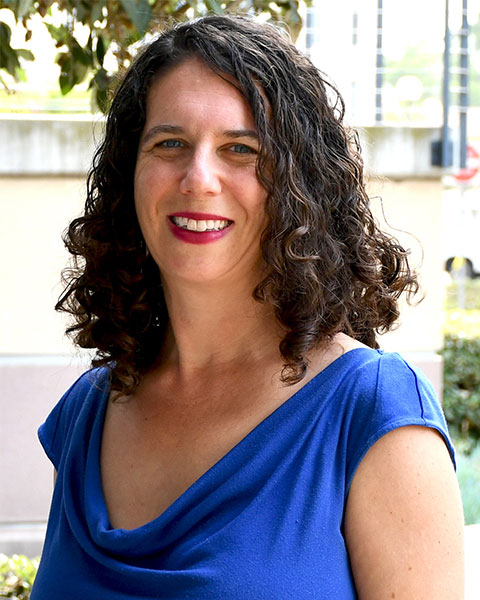
Miya Barnett, Ph.D.
Associate Professor
University of California, Santa Barbara
Santa Barbara, CA, United States
Diego Gónzalez Hernández, M.S.
Doctoral Candidate Researcher
University of California, Santa Barbara
Santa Barbara, California, United States
Damaris Garcia Valerio, M.A. (she/her/hers)
Doctoral Candidate Researcher
University of California, Santa Barbara
Santa Barbara, California, United States
Latine communities make up nearly 20% of the recorded US population and are the largest and one of the fastest-growing populations in the US. However, there is currently a paucity of accessible mental health services in many Latine and Spanish-speaking communities in the United States due to systemic barriers to mental health care treatment as well as a shortage of mental health care professionals, especially those that speak Spanish. In an effort to address the present inequities in mental health care access and utilization among Spanish-speaking Latine communities, treatment providers have previously partnered with promotores de salud to address the gaps that exist in resources and care. Promotores de salud are Latine community health workers who are typically members of the communities which they serve, and they use a wide range of interdisciplinary skills, knowledge, and health promotion activities to increase the overall wellbeing in their communities. The present study aims to address a previously identified desire for more mental health-related trainings for promotores de salud in Santa Barbara County using a community-partnered design. Participants were recruited via flyers as well as informational emails distributed by the lead promotores de salud at the Santa Barbara Promotores Network to the entire network. The lead researcher also attended multiple in-person activities to promote the project. Sixty-two promotores de salud completed a mixed methods survey assessing mental health training needs, and 33 of these promotores de salud also participated in one of four virtual focus groups held across Santa Barbara County. All focus groups were conducted in Spanish, and all surveys were administered in Spanish, the preferred language of the project participants. Results suggest 45% of surveyed promotores de salud encounter issues related to mental health at least weekly during their service; however, only one respondent currently feels very prepared to address these mental health issues as they routinely arise. Anxiety, depression, chronic stress, and suicidality were the most commonly identified areas in which participating promotores de salud would desire further formal training. The majority of participating promotores de salud also expressed a desire to learn more about these areas in the framework of basic service delivery with youth and families.
These findings suggest the need for greater training, both general and specific, in mental health among promotores de salud. Expanding mental health trainings and service delivery models to include lay community health workers such as promotores de salud will be crucial as traditional service models in the field continue to adapt to fulfill unmet needs in the greater community.