
.png)



Treatment - CBT
Daijiazi Tang, Ph.D.
Research Fellow
University of Michigan
Ann Arbor, Michigan, United States
Sara Moss-Pech, Ph.D.
Tier 2 Coaching Manager
TRAILS
Ann Arbor, MI, United States
Carolyn Andrews, M.S.
Survey Research Analyst
TRAILS to Wellness
Ann Arbor, Michigan, United States
Tyler C. Hein, Ph.D. (she/her/hers)
Managing Director of Research & Evaluation
TRAILS
Ann Arbor, Michigan, United States
Emma Starr, M.Ed.
Data Manager
TRAILS
Arlington, Massachusetts, United States
Sara Cott, LCSW, MSW
Tier 2 Director
TRAILS
Atlanta, GA, United States
Natalie Rodriguez-Quintana, M.P.H., Ph.D. (she/her/hers)
Chief Clinical & Research Officer
TRAILS
Ypsilanti, MI, United States
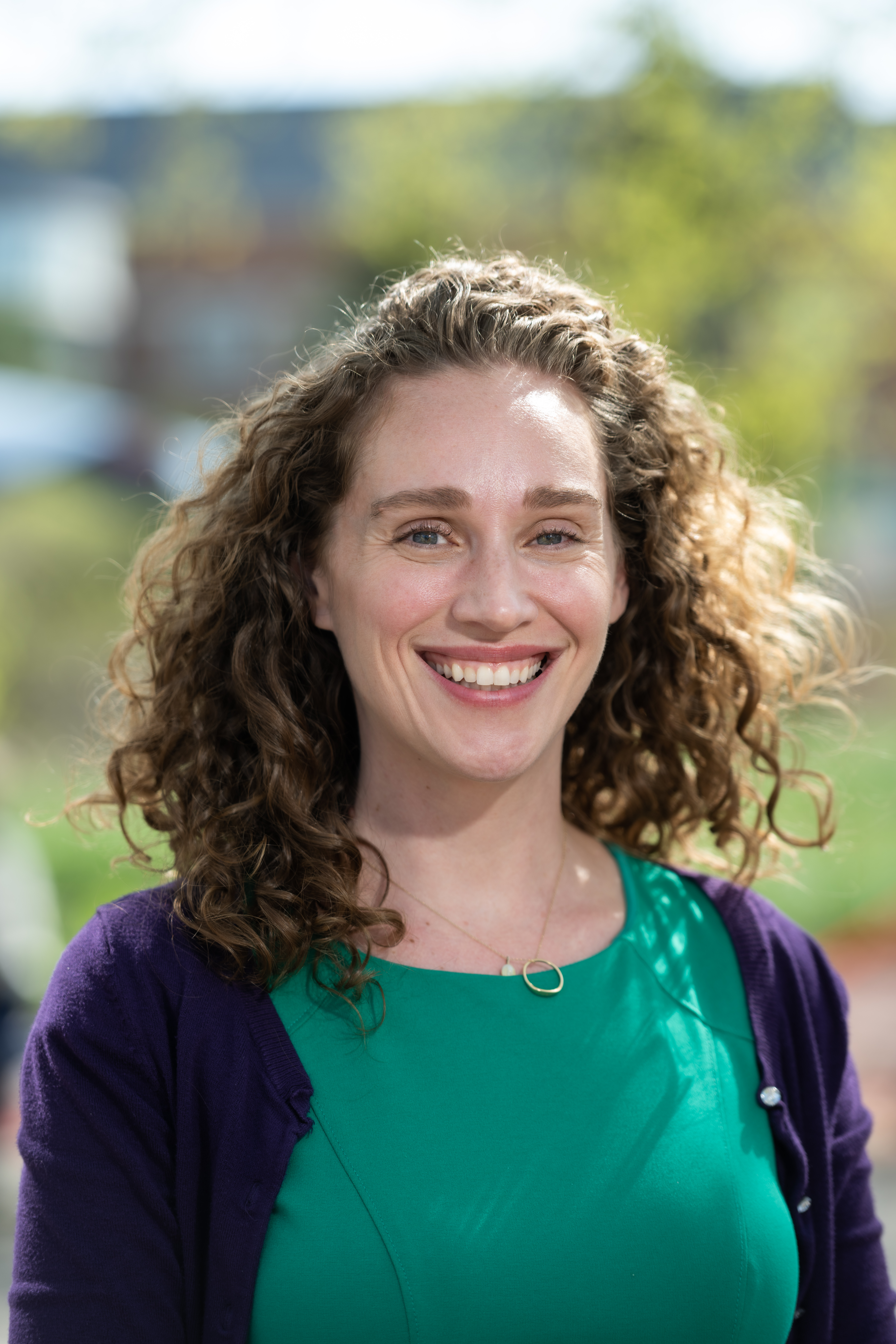
Emily Bilek, ABPP, Ph.D.
Clinical Associate Professor
University of Michigan
Ann Arbor, MI, United States
As many as 50% of youth will experience mental health concerns by the time they turn 18 (Merikangas et al., 2010); however, access to evidence-based care remains limited. TRAILS (Transforming Research into Action to Improve the Lives of Students) aims to bridge this gap by preparing school mental health professionals (SMHPs) to teach students cognitive behavioral therapy (CBT) skills within the school settings in which they work. Additionally, TRAILS has worked to adapt its programming to reach SMHPs and the youth they support in scalable, sustainable ways, including through adapting a core training program from an individualized, in-person format to a digital group-based platform. Though prior research has demonstrated the effectiveness of TRAILS’ in-person one-on-one training model in increasing SMHP competence in CBT skills, this was the first study to investigate the outcomes of SMHPs who were trained through a 10-week virtual group-based format.
More specifically, this study examined the impact of the TRAILS Learning Collaborative Coaching model, a 10-week online group-based implementation support program, on SMHPs’ competence using the validated Cognitive Behavioral Therapy Competence Scale (CCS; Rodriguez-Quintana et al., 2021). The aims were to assess how overall CBT competence and specific CCS domains (non-behavioral skills, behavioral skills, perceptions, and knowledge) changed from pre- to post-training and to understand if specific domains showed greater improvement or persistent challenges.
Participants who completed both pre- and post-training surveys were included in the final analysis (N =138). Paired t-tests indicated significant increases in mean scores from pre- to post-training for non-behavioral skills, behavioral skills, knowledge, and overall CCS scores (ps < .001; ds = 0.62 – 1.40). Notably, SMHP overall scores at the post-training timepoint were comparable to published CCS overall scores for SMHPs who were assigned to in-person coaching (2.91 > 2.84; Meyer et al., 2024). Finally, SMHPs’ perceptions of CBT remained consistently positive with minimal change.
These findings support the value of TRAILS’ Learning Collaborative coaching model for enhancing SMHPs’ competence in delivering CBT. The Learning Collaborative model represents a scalable training program with the potential to reach SMHPs across the country, strengthening a national network of evidence-based mental health skill providers. Future studies may explore predictors of the changes in providers’ competence and establish CCS cut-off scores to better understand the specific profiles of SMHPs’ CBT competence and optimize training outcomes. Additionally, missing data at post-intervention (over 70% across the CCS scores) reflects that although there is a positive effect of training on those SMHPs who engaged with TRAILS coaching and completed surveys, there may be potential barriers in sustaining provider engagement. It may be helpful to explore data collection strategies and less-intensive training models in future implementations.