
.png)



Autism Spectrum and Developmental Disorders
Distinct Roles of Social Anhedonia and Alexithymia in Understanding Loneliness and Isolation Among Autistic and Non-Autistic Young Adults

Alan H. Gerber, Ph.D.
Assistant Professor
Children's National Hospital
Rockville, MD, United States

Kristin Walker, M.A.
Doctoral Candidate
Stony Brook University
Port Jefferson, NY, United States
Caroline G. Candy, B.A.
Research Assistant
National Institute of Mental Health
Washington, District of Columbia, United States
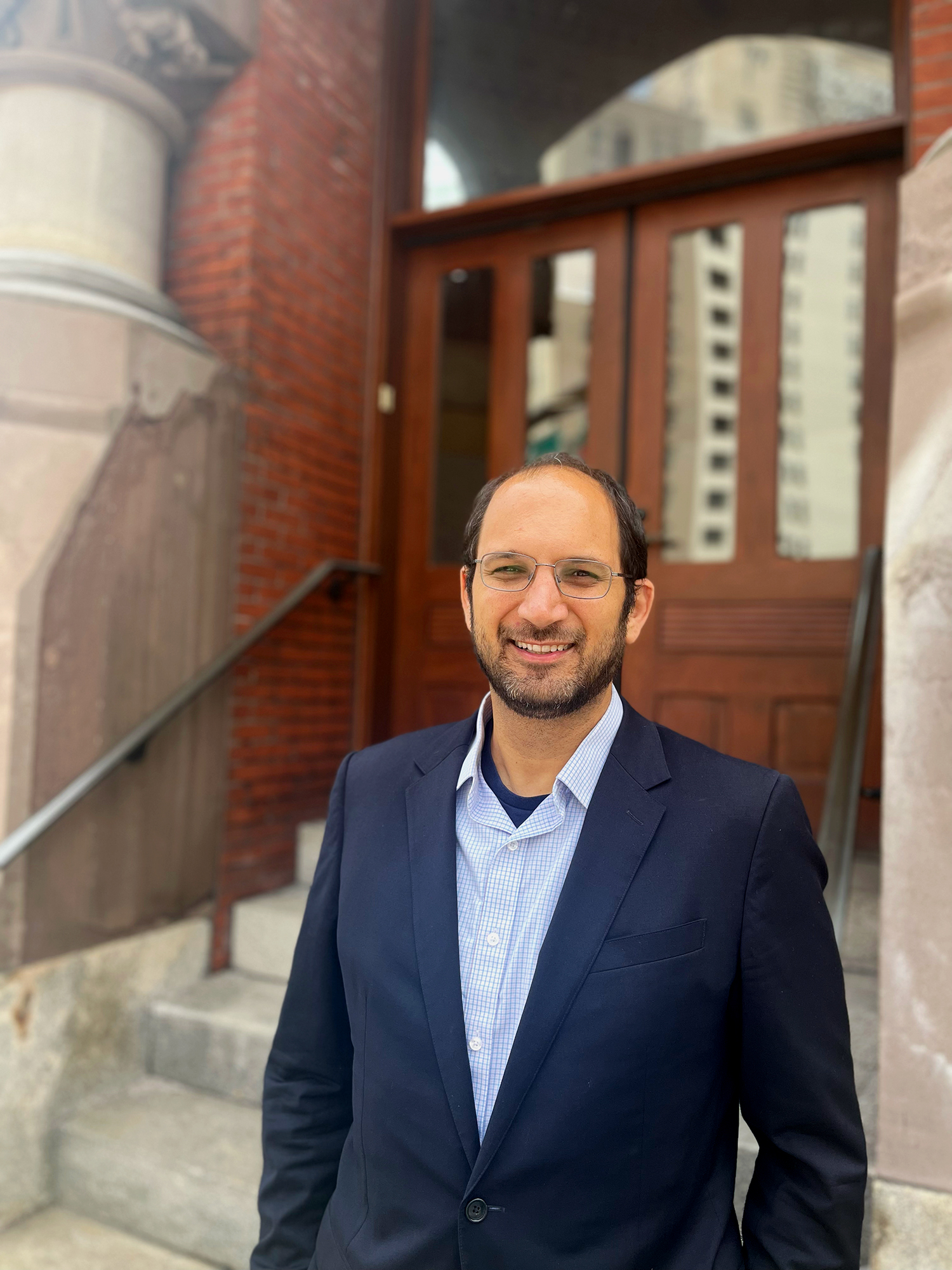
Matthew D. Lerner, Ph.D.
Associate Professor
Drexel University
Philadelphia, PA, United States
Brady Nelson, Ph.D.
Associate Professor
Stony Brook University
Stony Brook, NY, United States
Social isolation and loneliness are elevated in autistic individuals and linked to increased anxiety and depression (Hymas et al., 2022). However, there is little extant literature on their development and clinical correlates. One possibility is that alexithymia, a transdiagnostic trait reflecting difficulty identifying and expressing emotions, may underlie social challenges in autism (Bird & Cook, 2013). Indeed, nearly 50% of autistic individuals meet criteria for alexithymia, significantly higher than non-autistic populations (Kinnaird et al., 2019). Similarly, social anhedonia, a transdiagnostic trait characterized by diminished pleasure in social interactions, is common in autistic populations (e.g., Gerber et al., 2024) and may independently drive loneliness and isolation (Barkus & Babcock, 2019). Taken together, these traits may represent key risk factors for social isolation and loneliness among autistic adults, yet few studies have explored these associations empirically.
The current study included 232 young adults (65% female assigned at birth; Mage = 20.3 years, SDage = 3.19), divided into autistic (n = 39) and non-autistic (n = 193) groups. Participants completed the Toronto Alexithymia Scale, Autism Quotient, and the Positive Valence Systems Scale (PVSS), with social anhedonia assessed via the PVSS social subscale. To assess social isolation and feelings of loneliness and connection, participants responded to surveys five times daily for eight days. They were asked to report on momentary loneliness, feelings of rejection, and desire for social interaction versus solitude. Data was analyzed using multilevel modeling to account for repeated observations within individuals.
Results demonstrated that social anhedonia was associated with greater likelihood of being alone (β = -0.02, p < .001), whereas alexithymia and autistic traits were not. Conversely, alexithymia was linked to greater momentary loneliness (β = 0.01, p < .001), while social anhedonia and autistic traits were not. Finally, none of these variables were associated with a desire to be alone. However, autistic traits (β = 0.35, p = .044) and alexithymia (β = 0.09, p = .007) were linked to a greater desire to be with others and feelings of rejection when alone (β = 0.54, p = .036 and β = 0.13, p = .012, respectively).
Results indicated that while social anhedonia primarily contributes to isolation, alexithymia predominantly underlies the experiences of loneliness among autistic young adults. These results are aligned with prior work showing that commonly co-occurring transdiagnostic traits, rather than autistic traits, drive isolation and loneliness in autistic individuals (Gerber et al, 2019). Further, in contrast to prevailing theories regarding reduced social motivation, we did not find evidence that autistic traits were associated with a desire to be alone. Rather, autistic traits, as well as alexithymia, were linked to a stronger desire for social connection and heightened sensitivity to social rejection. These findings are consistent with qualitative accounts emphasizing the value of social connection to autistic individuals and underscore the need to examine the unique developmental pathways leading to loneliness and isolation in autism.