
.png)



Research Methods and Statistics
Mercedes Woolley, M.S.
Graduate Student
Utah State University
Logan, UT, United States

Cheri Levinson, Ph.D.
Professor of Psychological and Brain Sciences
University of Louisville
Louisville, KY, United States
Mercedes Woolley, M.S.
Graduate Student
Utah State University
Logan, UT, United States
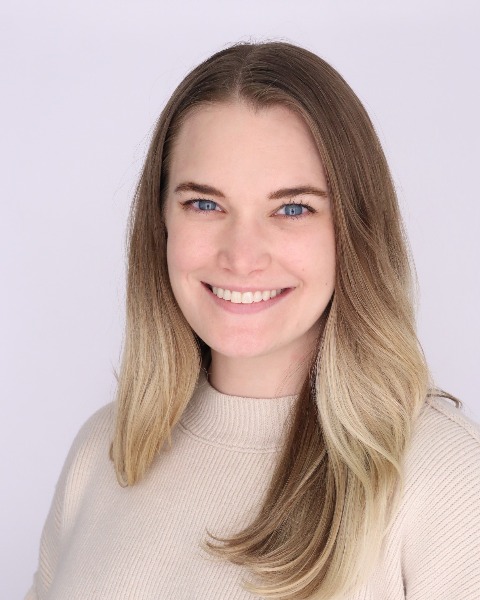
Kate Sheehan, M.A. (she/her/hers)
Graduate Student
University of Toledo
Toledo, OH, United States
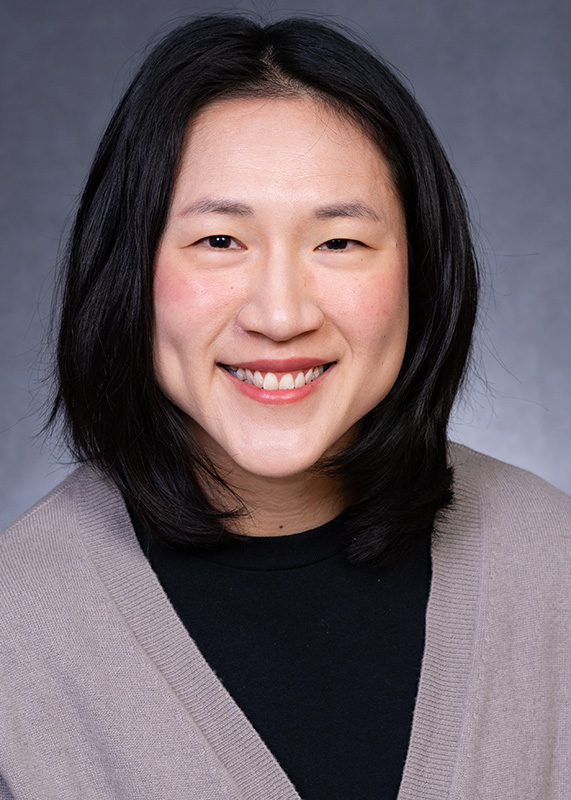
Clarissa Ong, Ph.D. (she/her/hers)
Assistant Professor
University of Louisville
Louisville, KY, United States
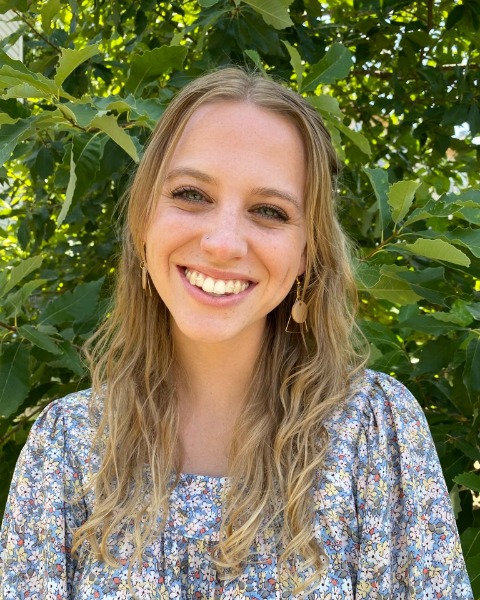
Savannah Hooper, B.A.
Graduate Student
The University of Louisville
Louisville, KY, United States
Despite the promise of data-driven, idiographic approaches in psychological treatment, their effective implementation in clinical practice remains an ongoing question. Precision mental health care methods, including idiographic network modeling and subgroup identification, have been proposed as ways to improve treatment matching, enhance intervention specificity, and optimize outcomes (Cohen & DeRubeis, 2018). However, many researchers and clinicians are still grappling with how to implement these methods while maintaining methodological rigor and feasibility within clinical practice (Deisenhofer et al., 2024). While some are paving the way forward (e.g., Ong et al., 2022; Levinson et al., 2023; Stangier et al. 2024), there remains a pressing need to apply and refine them to better understand their impact on therapy outcomes in real-world and research contexts. This symposium brings together researchers actively testing and implementing idiographic and network-informed interventions across different clinical populations. One presentation will demonstrate how process-based therapy (PBT; Hofmann & Hayes, 2019) can be individualized through idiographic network modeling, with empirical data on its feasibility and treatment effects. A second presentation will then examine how network-derived subgroups predict treatment response in eating disorders, offering insights into the role of network dynamics as treatment moderators. Next, a third presenter will report on findings from a modular, personalized intervention for eating disorders, demonstrating that a targeted module on regular eating reduces food restriction. Finally, another presentation will highlight a network-informed case series on trichotillomania, illustrating how personalized, data-driven decisions combined with client feedback and preference can shape personalized interventions. This symposium situates idiographic and network-based methods at the intersection of research and clinical application, tackling implementation challenges while presenting novel empirical insights. Our discussant will synthesize key takeaways, addressing barriers to implementation, statistical and methodological challenges, and opportunities for integrating idiographic precision methods into standard care.
Speaker: Mercedes Woolley, M.S. – Utah State University
Co-author: Michael E. Levin, Ph.D. – Utah State University
Co-author: Michael P. Twohig, Ph.D. (he/him/his) – Utah State University
Speaker: Kate Sheehan, M.A. (she/her/hers) – University of Toledo
Co-author: Adam J. Mann, M.S. – University of Toledo
Co-author: Clarissa Ong, Ph.D. (she/her/hers) – University of Louisville
Speaker: Clarissa Ong, Ph.D. (she/her/hers) – University of Louisville
Co-author: Claire Cusack, M.S. (they/she) – University of Louisville
Co-author: Cheri A. Levinson, Ph.D. – University of Louisville
Speaker: Savannah Hooper, B.A. – The University of Louisville
Co-author: Lauren Harris, Ph.D. – Auburn University
Co-author: Irina A. Vanzhula, Ph.D. – University of Louisville