
.png)


Transdiagnostic
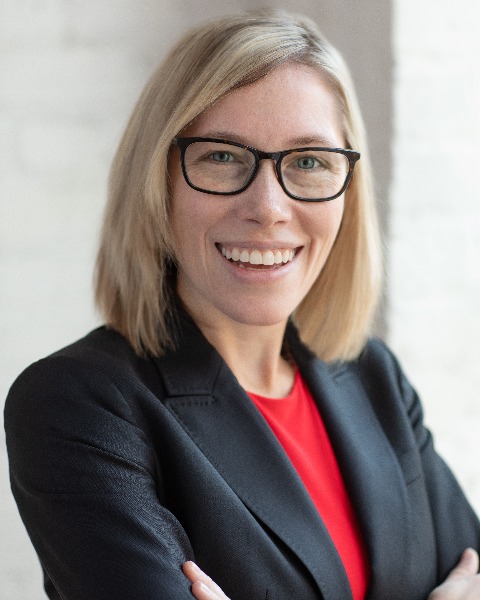
Ann Haynos, Ph.D. (she/her/hers)
Assistant Professor
Virginia Commonwealth University
Richmond, VA, United States
Douglas Samuel, Ph.D. (he/him/his)
Purdue University
West Lafayette, IN, United States
Ann Haynos, Ph.D. (she/her/hers)
Assistant Professor
Virginia Commonwealth University
Richmond, VA, United States
.jpg "Kirsten Gilbert, Ph.D. (she/her/hers) photo")
Kirsten Gilbert, Ph.D. (she/her/hers)
Assistant Professor of Psychiatry
Washington University in St. Louis
St. Louis, MO, United States
Avantika Kapadia, M.S. (she/her/hers)
University of Louisville
Louisville, KY, United States
Briana Brownlow, Ph.D. (she/her/hers)
Clinical Associate
Duke University School of Medicine
Durham, NC, United States

Lisa Anderson, Ph.D. (she/her/hers)
Assistant Professor
University of Minnesota Medical School
Minneapolis, MN, United States
Psychological concerns are often perceived as emerging from insufficient cognitive, emotional, and behavioral control. As a result, many transdiagnostic cognitive and behavioral interventions aim to strengthen self-discipline. However, a subset of concerns (e.g., anorexia nervosa [AN], obsessive-compulsive disorder [OCD], obsessive-compulsive personality disorder [OCPD], certain anxiety or mood disorders) can be characterized as disorders of “overcontrol” associated with heightened rigidity, perfectionism, and self-control. Despite these disorders being linked with severe consequences, elevated premature mortality, and high comorbidity rates, minimal research has examined the mechanisms uniting these disorders. Certain disorders of overcontrol are vastly under-studied (e.g., OCPD) and, even among better-investigated psychopathology, the degree to which mechanisms of rigidity are shared and distinct across disorders remains poorly understood. Further, more research is needed to expand beyond trait models to understand environmental- and societal-level influences (e.g., family dynamics, discrimination) promoting inflexible control. Based on these gaps, transdiagnostic individual and environmental treatment models targeting overactive control remain underdeveloped. In this symposium, the presenters bring together rigorous science spanning the bench-to-bedside translational spectrum across a diverse set of methods (e.g., neurocognitive, psychophysiological, EEG measures), developmental stages, and psychological concerns (i.e., eating, anxiety, depressive, and personality disorders) to examine the biopsychosocial mechanisms that unite or distinguish disorders of overcontrol, and how they can be clinically targeted in precise, yet inclusive care.
First, Dr. Ann Haynos (chair), will provide a brief overview highlighting the need for novel transdiagnostic models of overcontrol to promote the next generation of treatment for these concerns. Next, presenters will showcase cutting-edge data related to: 1) Individual neurocognitive mechanisms of rigidity differentiating AN and OCPD (Dr. Haynos); 2) Parental neurocognitive risk factors for overcontrol children with anxiety and OCD symptoms (Dr. Kirsten Gilbert); 3) Systemic factors (e.g., racism) necessitating overcontrol in minoritized groups (e.g., Black Americans) (Dr. Briana Brownlow); 4) OCD, perfectionism, and disgust as potential predictors of relapse and remission in eating disorders (Avantika Kapadia); and 5) Novel treatment approaches (e.g., neuromodulation) targeting transdiagnostic neurocognitive mechanisms related to flexibility in adults with AN (Dr. Lisa Anderson). Finally, Dr. Douglas Samuel (discussant), will lend his expertise related to overcontrolled traits and disorders to reflect upon the layers of influence promoting heightened cognitive rigidity and self-control across and between disorders and how to guide individual and societal interventions for these severe, yet often neglected psychological targets.
Speaker: Ann F. Haynos, Ph.D. (she/her/hers) – Virginia Commonwealth University
Co-author: Hannah Monette, M.S. (she/her/hers) – Virginia Commonwealth University
Co-author: Samantha Abram, Ph.D. (she/her/hers) – San Francisco VA Health Care System & University of California, San Francisco,
Co-author: Scott Crow, MD – University Minnesota Medical School
Speaker: Kirsten Gilbert, Ph.D. (she/her/hers) – Washington University in St. Louis
Co-author: Joan Luby, MD (she/her/hers) – Washington University in st Louis
Co-author: Susan Perlman, PhD (she/her/hers) – Washington University in st Louis
Speaker: Avantika Kapadia, M.S. (she/her/hers) – University of Louisville
Co-author: Cheri A. Levinson, Ph.D. – University of Louisville