
.png)



Suicide and Self-Injury
Swanaya Gurjar, M.A. (she/her/hers)
Texas Tech University
Lubbock, TX, United States
Debra Hope, Ph.D. (she/her/hers)
University of Nebraska-Lincoln
Lincoln, NE, United States
Julia Nicholas, M.S. (she/her/hers)
Clinical Psychology PhD Student
The University of Louisville
Louisville, KY, United States
Gabrielle Ilagan, M.A. (she/her/hers)
PhD Candidate
Fordham University
Bronx, NY, United States
Swanaya Gurjar, M.A. (she/her/hers)
Texas Tech University
Lubbock, TX, United States
Rachel Frietchen, B.S. (she/her/hers)
Graduate Student
Auburn University
Auburn, AL, United States
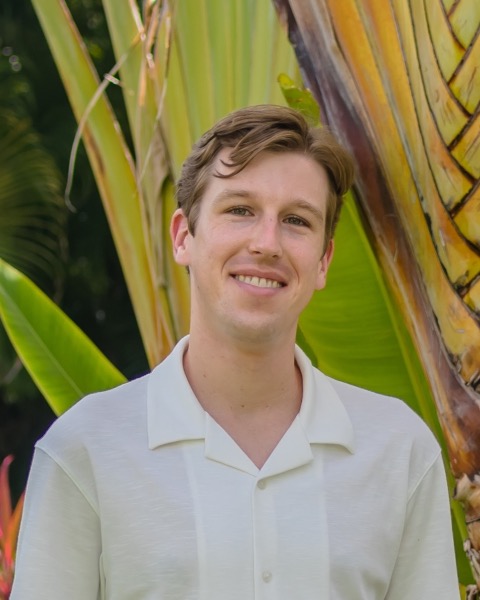
Reed Morgan, B.A. (he/him/his)
Graduate student
Fordham University
New York, NY, United States
Sexual and gender minority (SGM) people are at an elevated risk of mental health conditions, including self-injurious thoughts and behaviors (SITBs; Haas et al., 2011; Hatchel et al., 2021). Extant research has consistently shown that internal and external stressors associated with one’s sexual or gender identity contribute to the heightened prevalence rates of SITBs and other potentially harmful behaviors (e.g., disordered eating) among LGBTQ+ populations (Testa et al., 2015; Wells et al., 2019). However, much of this research has focused on between-person differences using retrospective self-report surveys. While important, such work precludes us from understanding the momentary mechanisms of SITB risk within people, as these change processes are highly dynamic over a few hours (Kleiman et al., 2017). Modern technology has enabled researchers to explore moment-to-moment variations in daily life risk factors for SITBs, with the goal of informing prevention and intervention approaches for SGM persons.
The current symposium highlights how ecological momentary assessment (EMA) can be leveraged to investigate real-time associations between various minority stressors, trans-specific experiences, and other known risk factors for SITBs over time. The symposium will also incorporate qualitative analyses of participant feedback to ensure that EMA methods are appropriate, feasible, and beneficial to members of marginalized communities.
First, Julia Nicholas will present how daily SGM stress differentially relates to SITBs, finding that among high-risk adults, more severe nonsuicidal self-injury urges and suicidal ideation (SI) co-occurred with higher than usual SGM stress. Next, Gabrielle Ilagan will describe an EMA study of SGM adults assessing general stress, minority stress, and SI. Elevated SI was reported when individuals experienced more than average general stress and proximal (internal) minority stress, with each stressor type uniquely predicting variations in SI. Swanaya Gurjar will then discuss anti-trans news exposure as a unique minority stressor faced by trans* adults with past-week SI. A direct effect of news exposure on later SI at the within level (but not at the between level) was observed, along with an indirect effect through changes in negative affect. Further, Rachel Frietchen will describe time-varying associations between SITBs, eating disorder (ED) symptoms, and body connection/trust in trans* adults. Restriction urges and SI showed significant predictive relationships with themselves and other risk factors, while body trust served as a protective factor against NSSI urges, emphasizing the dynamic interplay between ED symptoms and SITBs over time. Next, Reed Morgan will delve into SGM adults’ experiences of participating in daily life SITB studies. Reflexive thematic analysis identified themes of self-awareness, emotion regulation, and inconvenience; quantitative analyses suggested that most of the sample found participation satisfactory and feasible. Lastly, Dr. Debra Hope, an expert on the impacts of stigma and discrimination on LGBTQ+ mental health, will serve as the discussant, sharing her insights and clinical implications of the presented work as well as areas for future research.
Speaker: Julia Nicholas, M.S. (she/her/hers) – The University of Louisville
Co-author: Michaela Ahrenholtz, B.S. (she/her/hers) – University of Louisville
Co-author: MacKenzie Bewley, B.S. (she/her/hers) – University of Louisville
Co-author: Konrad Bresin, Ph.D. (he/him/his) – University of Louisville
Speaker: Gabrielle S. Ilagan, M.A. (she/her/hers) – Fordham University
Co-author: Christopher C. Conway, Ph.D. – Fordham University
Speaker: Swanaya Gurjar, M.A. (she/her/hers) – Texas Tech University
Co-author: Sarah E. Victor, Ph.D. (she/her/hers) – Texas Tech University
Speaker: Rachel Frietchen, B.S. (she/her/hers) – Auburn University
Co-author: Rachel Frietchen, B.S. (she/her/hers) – Auburn University
Co-author: Lauren Harris, Ph.D. – Auburn University
Co-author: Rylee Lusich, B.A. – Auburn University
Co-author: Marley Billman Miller, M.S. – Auburn University
Co-author: Amanda C. Collins, Ph.D. (she/her/hers) – Center for Technology and Behavioral Health, Geisel School of Medicine, Dartmouth College, Lebanon, NH, United States; Department of Biomedical Data Science, Geisel School of Medicine, Dartmouth College, Lebanon, NH, United States
Co-author: Matthew D. Nemesure, Ph.D. – Digital Data Design Institute, Harvard Business School, Boston, MA, United States
Co-author: Nicholas C. Jacobson, Ph.D. – Dartmouth College
Co-author: Liz Cash, Ph.D. – University Of Louisville
Co-author: Cheri A. Levinson, Ph.D. – University of Louisville
Co-author: April Smith, Ph.D. (she/her/hers) – Auburn University
Speaker: Reed M. Morgan, B.A. (he/him/his) – Fordham University
Co-author: Gabrielle S. Ilagan, M.A. (she/her/hers) – Fordham University
Co-author: Christopher C. Conway, Ph.D. – Fordham University
Co-author: Emilia Soroko, Ph.D. (she/her/hers) – Adam Mickiewicz University