
.png)


Treatment - Mindfulness & Acceptance
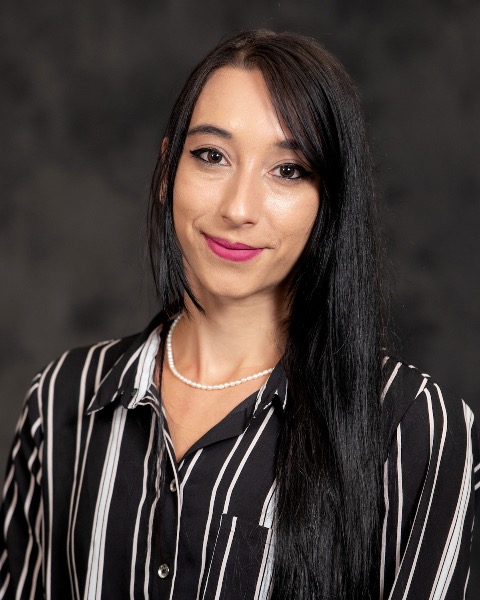
Emily Weiss, Ph.D. (she/her/hers)
Postdoctoral Fellow
Yale University School of Medicine
West Haven, CT, United States

Kellyann Navarre, M.A. (she/they)
Graduate Student and Study Coordinator
University of Toronto
Monroe, MI, United States
Emily Weiss, Ph.D. (she/her/hers)
Postdoctoral Fellow
Yale University School of Medicine
West Haven, CT, United States
David Klemanski, M.P.H., Psy.D.
Yale University
New Haven, CT, United States
Allison Battles, Ph.D. (she/her/hers)
BattleRobin Counseling PLLC
Minneapolis, MN, United States
Engagement in mindfulness-based activities and interventions can lead to wide-reaching positive effects in diverse populations. The benefits of interventions that incorporate or center around mindfulness have been demonstrated across a range of presenting problems: from the treatment of severe psychopathology such as eating disorders (Sala et al., 2021) and borderline personality disorder (Linehan, 2014), to increased wellbeing (Fazia et al., 2020) and decreased stress (Zhang et al., 2020) in the general population. The well-documented, widespread benefits of mindfulness practices may be linked to their applicability to a broad range of activities and strategies, and to the fact that the interventions themselves can be delivered in numerous formats (e.g., group settings, individually, online). Indeed, the flexibility, adaptability, and scalability of mindfulness practices are crucial to increasing access to these effective interventions and facilitating their potential to reach populations that may be difficult to engage in traditional treatment settings. This multifaceted approach to engaging mindfully with one’s environment can often include adapting practices, delivery methods, and the activities themselves to best suit the target population. Understanding the clinical, practical, and research implications of these diverse approaches can lead to the development of accessible and tangible strategies that can be utilized to both treat psychiatric symptoms and improve wellbeing and quality of life. In this symposium, presenters will discuss several of these adaptations. Specifically, presentations will examine innovative approaches for increasing mindful engagement in activities of daily life and recreation within a range of populations. Our first presentation will focus on a Mindful Movement intervention that combines Taekwondo (a martial art) with the core mindfulness skills of Dialectical Behavior Therapy, and discuss its applications in high level treatment settings, including inpatient and intensive outpatient programs. Our second presentation will address the accessibility of mindfulness in daily life. This presentation will include findings from a randomized controlled study examining longitudinal changes in wellbeing in the general population following the use of a mobile application designed to enhance mindfulness practice and engagement in physical activity. Our third presentation will focus on Therapeutically Applied Role-Playing Games, which can facilitate benefits including increased emotional resilience and psychological flexibility through guided, therapeutic engagement in group-based tabletop games. Finally, our Discussant will provide a unique perspective on our three presentations as an experienced mental health and disability equity advocate, an individual with lived experience of both, and a researcher with training in clinical psychology. Together, this symposium will weave clinical applications and recommendations for implementing innovative and adaptable mindfulness interventions, data showing their efficacy, as well as experiential components to provide an overview of how we can increase mindful engagement - both within our patients’ lives, and in our own.
Speaker: Emily R. Weiss, Ph.D. (she/her/hers) – Yale University School of Medicine
Co-author: Xiaoyuan Li, B.S. – Yale University School of Medicine
Co-author: Dayna Freeman, B.S. – Yale University School of Medicine
Co-author: Victoria R. Hart-Derrick, B.A. – Yale University School of Medicine
Co-author: Kellyann Navarre, M.A. (she/they) – University of Toronto
Co-author: Leo Kalotihos, BA – Nationwide Children's Hospital
Co-author: Sarah Barnes, PhD – Yale University School of Medicine
Co-author: Margaret T. Davis, Ph.D. (she/her/hers) – Yale University School of Medicine
Speaker: David H. Klemanski, M.P.H., Psy.D. – Yale University
Co-author: Macarena Kruger, MA – Drexel University
Co-author: Emily R. Weiss, Ph.D. (she/her/hers) – Yale University School of Medicine
Speaker: Allison Battles, Ph.D. (she/her/hers) – BattleRobin Counseling PLLC