
.png)



Adult - Anxiety
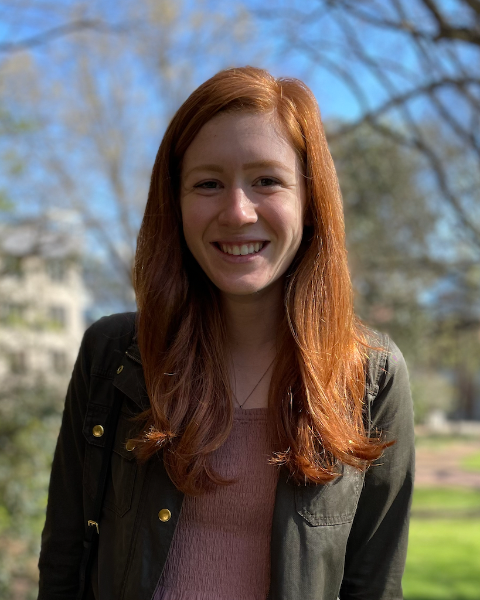
Alexandra Adamis, M.S. (she/her/hers)
PhD Candidate
Vanderbilt University
Nashville, TN, United States
Stefan Hofmann, Ph.D. (he/him/his)
Professor
Philipps University of Marburg
Marburg, Hessen, Germany

Van Bui, M.A. (she/her/hers)
Graduate Student
University of Waterloo
Waterloo, ON, Canada
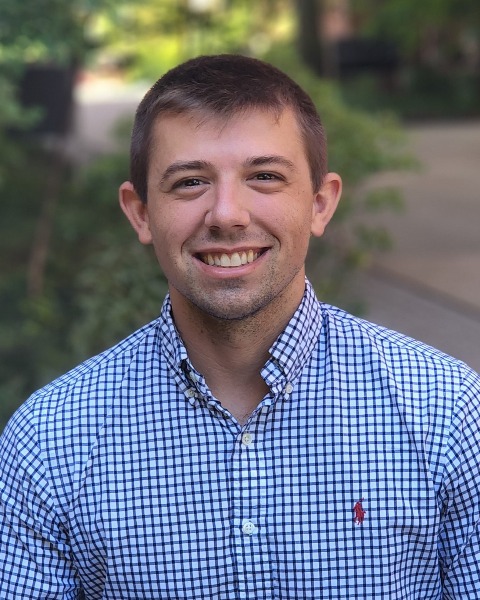
Aidan Flynn, Other (he/him/his)
University of Maryland School of Medicine
Baltimore, MD, United States
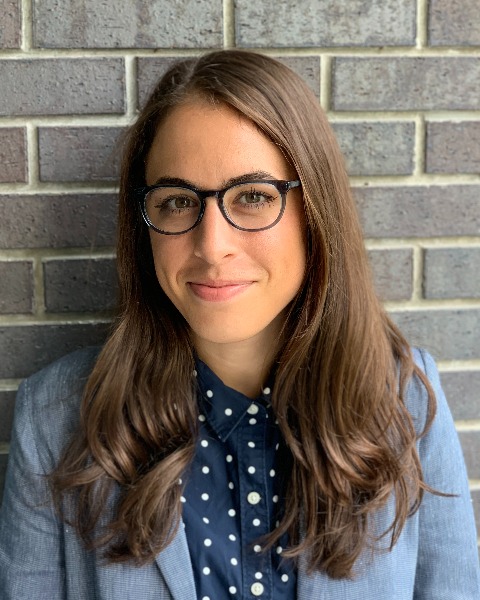
Fallon Goodman, Ph.D. (she/her/hers)
Assistant Professor
George Washington University
Washington, DC, United States
Alexandra Adamis, M.S. (she/her/hers)
PhD Candidate
Vanderbilt University
Nashville, TN, United States
Nur Hani Zainal, Ph.D. (she/her/hers)
Harvard Medical School
Boston, Massachusetts, United States
Social anxiety disorder (SAD) is a highly prevalent and burdensome condition, associated with an early age of onset, high rates of chronicity and psychiatric comorbidity, and significant occupational and social impairment (Stein et al., 2017). While evidence-based treatments for SAD (e.g., cognitive-behavioral therapy, selective serotonin reuptake inhibitors) are effective for many patients, rates of treatment non-response, residual symptoms, and relapse remain notable, with about half of patients experiencing clinically significant symptoms after treatment (Blanco et al., 2003; Canton et al., 2012; Davidson et al., 2004). Improving treatment outcomes might require a better understanding of the underlying cognitive and affective mechanisms that perpetuate social anxiety.
This symposium is centered around several recent advances in the cognitive science of social anxiety and its treatment. The studies presented in the symposium have applied rigorous methods such as ecological momentary assessment (EMA) and machine learning to examine mechanisms underlying the maintenance of SAD in innovative and ecologically valid ways, as well as to explore factors that influence the efficacy of modern treatments for SAD. Presenters will contextualize novel insights into cognitive-behavioral theories of SAD and describe how recent findings point towards potential treatment avenues.
The first presentation describes a daily diary study examining the interplay between social anxiety, post-event processing, and self-doubt in predicting reassurance seeking in daily life. The second presentation explores the semantic network biases associated with social anxiety that may underlie post-event processing. The third presentation reports on a mixed methods study exploring the nature and accuracy of social worries in daily life. The fourth presentation describes the naturalistic form and function of attentional biases during social interactions using EMA. Finally, the fifth presentation applies machine learning to identify prescriptive indicators for a mindfulness-based ecological momentary intervention for SAD.
Speaker: Van Bui, M.A. (she/her/hers) – University of Waterloo
Co-author: David A. Moscovitch, Ph.D. (he/him/his) – University of Waterloo
Speaker: Aidan J. Flynn, Other (he/him/his) – University of Maryland School of Medicine
Co-author: Lira yoon, PhD – University of Maryland, Baltimore County
Speaker: Fallon Goodman, Ph.D. (she/her/hers) – George Washington University
Co-author: Saskia L. Jorgensen, B.A. – The George Washington University
Co-author: Shirin Podury, B.S. – The George Washington University
Co-author: Carsyn Parmelee, B.A. (she/her/hers) – George Washington University
Speaker: Alexandra M. Adamis, M.S. (she/her/hers) – Vanderbilt University
Co-author: Savannah Walske, . – Vanderbilt University
Co-author: Bunmi O. Olatunji, Ph.D. – Vanderbilt University
Speaker: Nur Hani Zainal, Ph.D. (she/her/hers) – Harvard Medical School
Co-author: Michelle G. Newman, Ph.D., Ph.D. – The Pennsylvania State University