
.png)



Racial Trauma
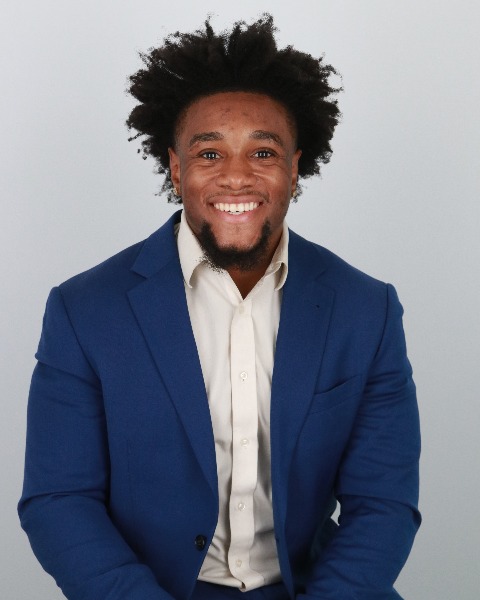
Elijah Murphy, M.A. (he/him/his)
Ph.D. Candidate in Clinical Psychology
University of Houston
Houston, TX, United States
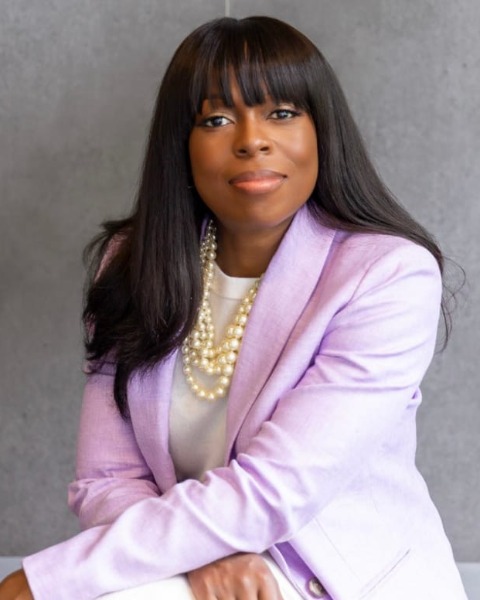
Maryam Jernigan-Noesi, Ph.D. (she/her/hers)
Jernigan & Associates, Inc.
Grayson, GA, United States
Elijah Murphy, M.A. (he/him/his)
Ph.D. Candidate in Clinical Psychology
University of Houston
Houston, TX, United States
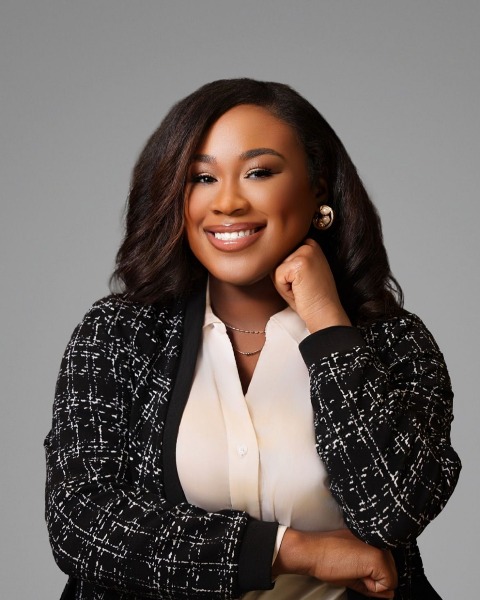
Morgan Phillips, M.A. (she/her/hers)
Graduate Student
University of Houston
Houston, TX, United States
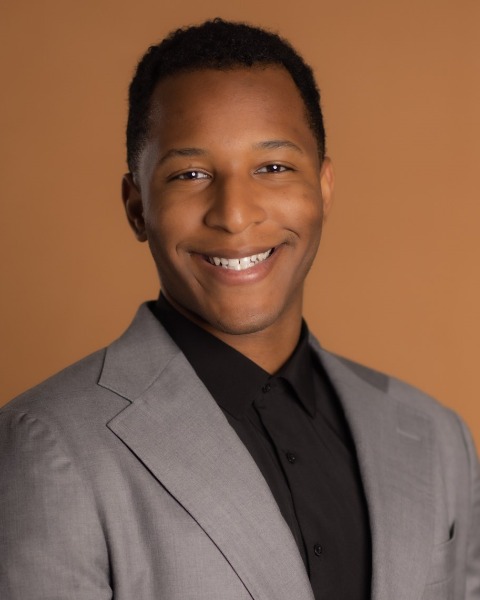
Ty Robinson, M.Ed. (he/him/his)
Counseling Psychology Ph.D. Student
University of Maryland- College Park
Washington, DC, United States
Racism is a persistent and well-documented determinant of adverse mental health outcomes within Black individuals and communities, contributing to increased psychological distress, anxiety, depression, and maladaptive health behaviors (Pieterse et al., 2012). Despite the extensive evidence linking racial discrimination to these outcomes, mental health treatment models continue to overlook racism as a core factor in assessment, diagnosis, and intervention (Holmes et al., 2016; Jernigan & Daniel, 2014). The absence of a race-conscious approach in clinical practice leaves Black individuals without the necessary tools to process, cope with, and heal from the psychological toll of systemic and interpersonal racism.
Racism-related stress and trauma are described as the psychological reaction to experiences with racism (Carter, 2007; Comas-Diaz et al., 2019). To elucidate pathways to healing from racism and racial trauma for Black individuals and communities, we must grow our knowledge base. Expanding our knowledge must include an understanding of how racism-related stress and trauma contribute to detrimental mental health outcomes among Black individuals and communities. This symposium seeks to advance the discourse on racism and mental health by critically examining both risk and protective factors that shape mental health trajectories for Black adults. By integrating research on racism-related stress, coping mechanisms, and structural barriers to mental health care, this session makes a compelling case for embedding racism as a central consideration in mental health treatment frameworks. The discussion will highlight the urgency of reorienting clinical and community-based interventions to acknowledge, assess, and address the pervasive impact of racism on the mental health of Black individuals and communities. In doing so, this symposium challenges mental health professionals to move beyond race-neutral models and actively incorporate racial stress, coping, and healing into treatment strategies. True healing can transpire once people receive proper care in response to racism.
Three researchers will present empirical research exploring the connections between racism, mental health, and well-being among Black adults. First, Elijah Murphy will present a study that evaluated how racial trauma is associated with diminished well-being among Black young adults. Second, Morgan Phillips will provide an overview of a study that examined how difficulties with identifying and expressing emotion moderated the relationship between racial trauma and negative emotionality among Black Americans. Third, Ty Robinson will present a study that investigated the moderating role racial identity has on racism and alcohol use disorder among justice-involved and non-justice-involved of Black Americans. Dr. Maryam Jernigan-Noesi will serve as the discussant, highlighting how the three studies fit into the broader scholarship dedicated to exploring the influence of racism on the mental health of Black Americans. Most importantly, the discussant will provide key insights into how future scholarship can inform how practitioners engage and work with Black Americans to promote their mental health and well-being.
Speaker: Elijah R. Murphy, M.A. (he/him/his) – University of Houston
Co-author: Jasmin R. Brooks Stephens, Ph.D. (she/her/hers) – University of California at Berkeley
Co-author: Matthew W. Gallagher, Ph.D. (he/him/his) – University of Houston
Co-author: Rheeda Walker, PhD (she/her/hers) – Wayne State University
Speaker: Morgan Phillips, M.A. (she/her/hers) – University of Houston
Co-author: Ijeoma Madubata, Ph.D. (she/her/hers) – VA Maryland Health Care Center
Co-author: Anka A. Vujanovic, Ph.D. – Texas A&M University
Co-author: Rheeda Walker, PhD (she/her/hers) – Wayne State University