
.png)



Technology/Digital Health
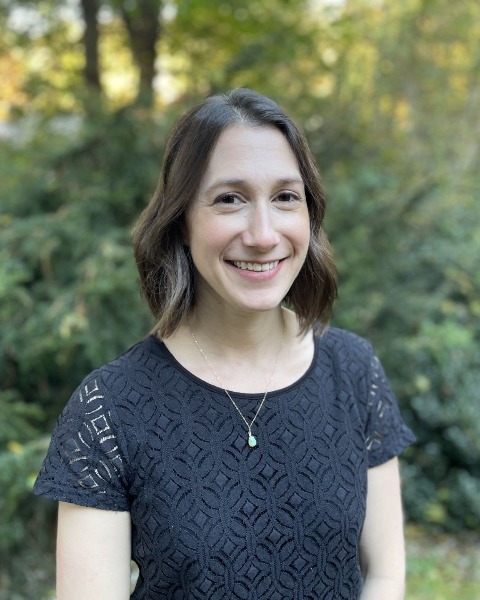
Hilary Weingarden, Ph.D. (she/her/hers)
clinical Research Director
HabitAware
Arlington, MA, United States
.jpg "Sabine Wilhelm, Ph.D. (she/her/hers) photo")
Sabine Wilhelm, Ph.D. (she/her/hers)
Director, Center for Digital Mental Health, MGH; Professor, Harvard Medical School
Massachusetts General Hospital
Boston, MA, United States
Jamie Feusner, M.D. (he/him/his)
University of Toronto
Toronto, ON, Canada
Hilary Weingarden, Ph.D. (she/her/hers)
clinical Research Director
HabitAware
Arlington, MA, United States
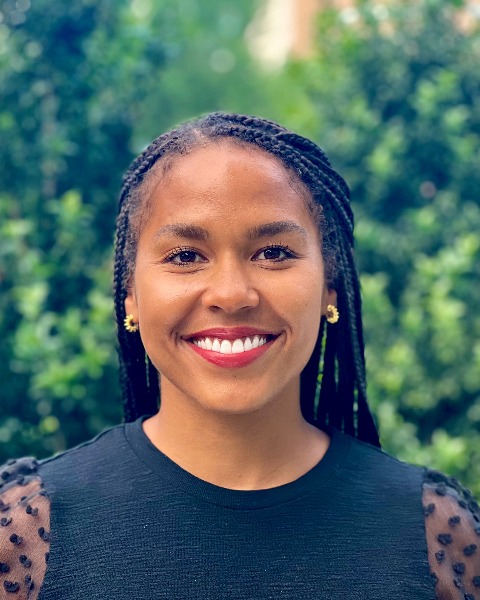
Geneva Jonathan, Ph.D. (she/her/hers)
Massachusetts General Hospital
Boston, MA, United States
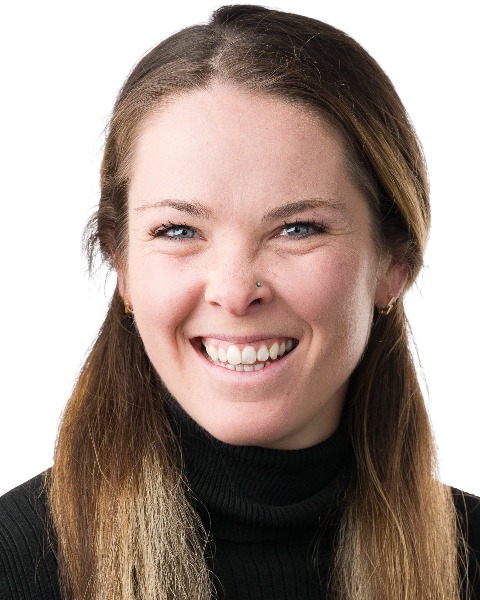
Leila Capel, M.S. (she/her/hers)
Pre-doctoral Psychology Intern
Dartmouth Hitchcock Medical Center
Logan, UT, United States
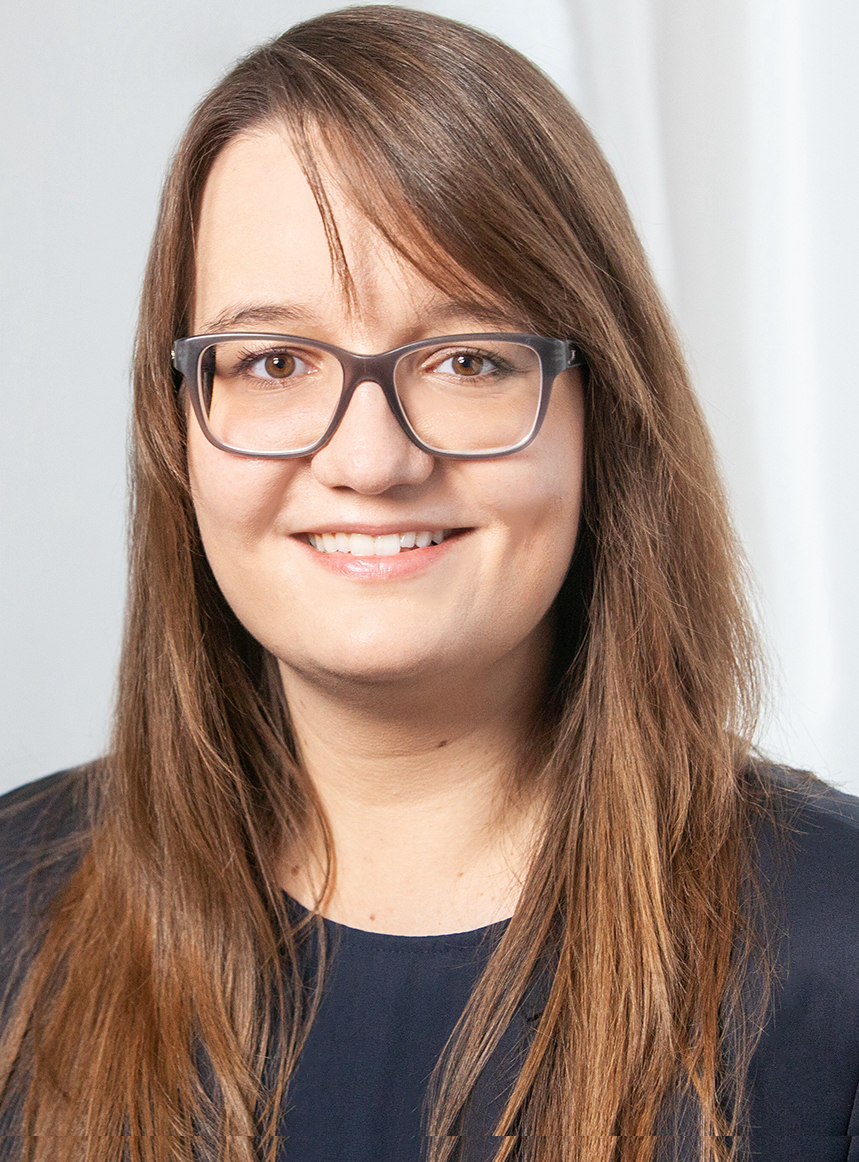
Fanny Dietel, Ph.D. (she/her/hers)
Postdoctoral clinical research fellow
University of Osnabrueck, Germany
Osnabrueck, Niedersachsen, Germany
While CBT is highly effective for obsessive compulsive and related disorders (OCRDs), there are many for whom CBT is not effective or accessible enough. This symposium highlights novel high-impact research focused on using technology to enhance treatment of OCRDs. Uniquely, this symposium includes talks across OCRDs, including obsessive compulsive disorder (OCD), trichotillomania (TTM), and body dysmorphic disorder (BDD), with diverse participants from across the lifespan. For a rich view into current advances, we highlight latest findings from researchers in academic, academic medical center, and industry settings within and outside the U.S.
The first study examines the impact of video-based virtual exposure and response prevention on youth with OCD and is the largest study of OCD treatment in children and adolescents (N=2,173). Results show that virtual therapy can effectively and efficiently improve symptoms in young people with mild to severe OCD and highlights how teletherapy delivers results and expands access to specialized treatment. The second talk highlights findings from an NIH-funded industry-academic partnership to develop commercially-deployable just-in-time adaptive interventions (JITAIs) from 6 weeks of GPS and ecological momentary assessment (EMA) data in adults with TTM. The talk showcases methods and results related to building and initially testing this novel JITAI algorithm that delivers context-based alerts to build hairpulling awareness and suggest intervention opportunities. The third talk describes the feasibility of using smartphone sensor and demographic data to detect EMA-reported daily suicide risk and clinical deterioration in adults with BDD. Machine learning model results show that step count and demographic features contributed to predicting clinical outcomes; random forest models outperformed baseline models. Findings suggest that low-burden data can be integrated into interventions or clinical decision-making to facilitate personalized, timely, and adaptive treatment. The fourth study evaluated the effect of treatment check-ins on adherence to online ACT-enhanced habit reversal training for adults with TTM, by randomizing participants to check-in or no check-in conditions. Results showed no significant differences in adherence or efficacy between groups – findings with clear implications for scalability and increased access to digital treatments. The fifth talk will cover a meta-analysis evaluating efficacy of digital health interventions (DHI) for OCRDs in children, adolescents and young adults. This meta-analysis synthesizes results from 21 RCTs, to gauge efficacy and key outcome predictors of DHI for OCRDs (e.g. baseline participant features, treatment modalities), informing DHI optimization for standalone and blended-care applications. Findings have implications for improving access to evidence-based care in underrepresented and treatment-resistant youth populations with OCRDs. Finally, our esteemed discussant – an academic medical center Chief of Psychology and Director of its Center for Digital Mental Health, and a former ABCT president – will synthesize key takeaways and discuss where we are headed in tech-based care for OCRDs.
Speaker: Jamie Feusner, M.D. (he/him/his) – University of Toronto
Co-author: Nicholas Farrell, Ph.D. – NOCD
Co-author: Mia Nuñez, PhD (she/her/hers) – NOCD, Inc.
Co-author: Nicholas Lume, B.S. (he/him/his) – NOCD, Inc.
Co-author: Catherine MacDonald, B.A. (she/her/hers) – NOCD, Inc.
Co-author: Patrick McGrath, PhD (he/him/his) – NOCD, Inc.
Co-author: Clare Beatty, M.A. (she/her/hers) – NOCD, Inc.
Co-author: Larry Trusky, B.S. (he/him/his) – NOCD, Inc.
Co-author: Stephen Smith, B.A. (he/him/his) – NOCD, Inc.
Co-author: Andreas Rhode, PhD (he/him/his) – NOCD, Inc.
Speaker: Hilary Weingarden, Ph.D. (she/her/hers) – HabitAware
Co-author: John Pritchard, B.S. (he/him/his) – Habitaware
Co-author: Megan DuBois, B.A. – Kent State University
Co-author: Bridget Feler, B.A. – Kent State University
Co-author: Kimi Skokin, MLA – HabitAware
Co-author: Kirk Klobe, B.S. (he/him/his) – Habitaware
Co-author: Maftuna Abduganieva, B.A. – Kent State University
Co-author: Mari Larsen, B.A. – HabitAware
Co-author: Aneela Idnani, BS – HabitAware
Co-author: Christopher Flessner, PhD – Kent State University
Co-author: Sameer Kumar, B.S., Other (he/him/his) – Habitaware
Speaker: Geneva K. Jonathan, Ph.D. (she/her/hers) – Massachusetts General Hospital
Co-author: Vincent Holstein, MD (he/him/his) – Massachusetts General Hospital
Co-author: Michael Armey, PhD – Warren Alpert Medical School of Brown University
Co-author: Jukka-Pekka Onnela, DSc – Harvard T.H. Chan School of Public Health
Co-author: Hilary Weingarden, Ph.D. (she/her/hers) – HabitAware
Speaker: Leila Capel, M.S. (she/her/hers) – Dartmouth Hitchcock Medical Center
Co-author: Emily M. Bowers, M.S. (she/her/hers) – Utah State University
Co-author: McKenzie Becker, B.A. (she/her/hers) – Utah State University
Co-author: Marisa Davis, B.S. – Utah State University
Co-author: Michael P. Twohig, Ph.D. (he/him/his) – Utah State University
Co-author: Michael E. Levin, Ph.D. – Utah State University
Speaker: Fanny A. Dietel, Ph.D. (she/her/hers) – University of Osnabrueck, Germany
Co-author: Isabel Brandhorst, PhD – University Hospital Tuebingen, Germany
Co-author: Katharina Allgaier, PhD – University Hospital Tuebingen, Germany
Co-author: Lukasz Stasielowicz, PhD – University of Osnabrueck
Co-author: Johanna Loechner, Prof. Dr. – Friedrich-Alexander Universität Erlangen