
.png)



Mental Health Disparities
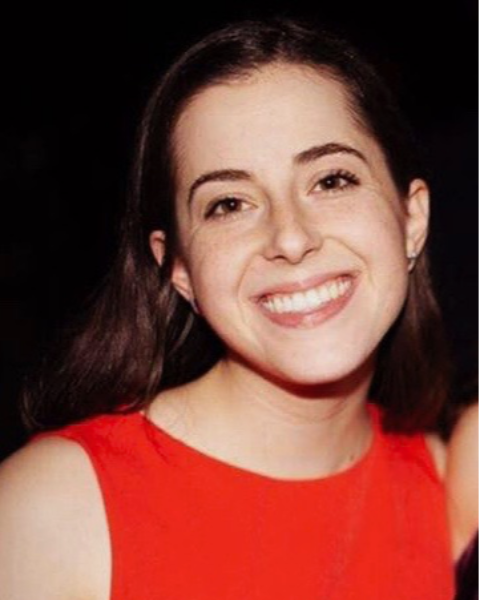
Melissa Dreier, M.S. (she/her/hers)
PhD Student
Rutgers University
Piscataway, NJ, United States
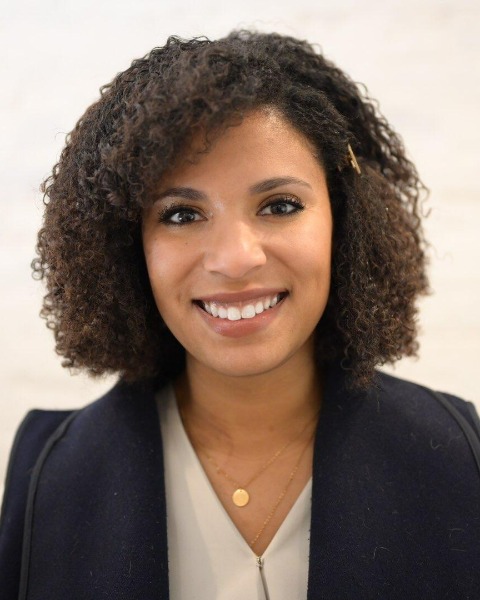
Rachel Vaughn-Coaxum, Ph.D. (she/her/hers)
Assistant Professor
University of Pittsburgh School of Medicine
Pittsburgh, PA, United States
Chantelle Roulston, M.A. (she/her/hers)
PhD Student
Northwestern University
Chicago, IL, United States
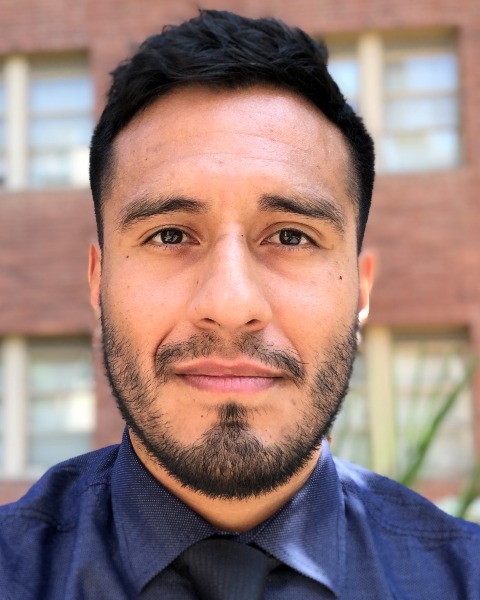
Giovanni Ramos, Ph.D.
Assistant Professor
University of California, Berkeley
Irvine, California, United States
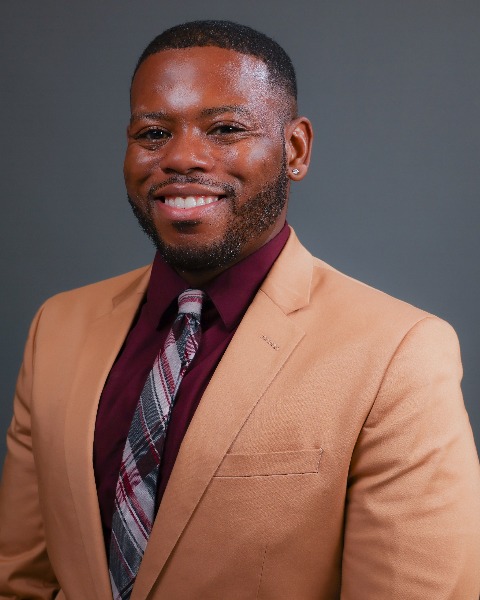
Henry Willis, Ph.D.
Assistant Professor
University of Maryland- College Park
College Park, MD, United States
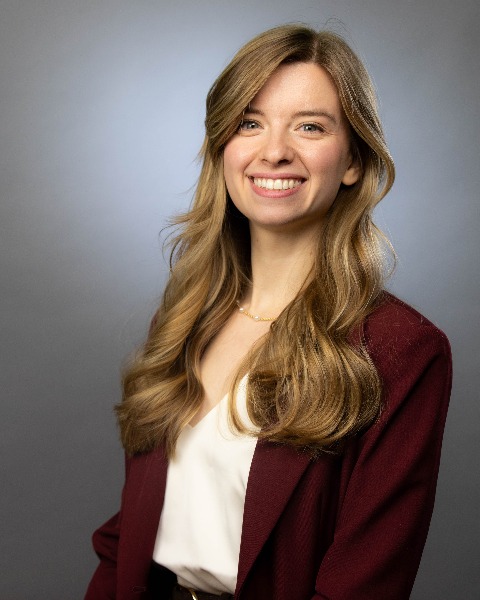
Katherine Venturo-Conerly, M.A. (she/her/hers)
Intern
Harvard Medical School
Cambridge, MA, United States
Melissa Dreier, M.S. (she/her/hers)
PhD Student
Rutgers University
Piscataway, NJ, United States
Most mental health concerns emerge during adolescence and young adulthood (Jones, 2014). In recent years, youth mental health challenges have become increasingly prevalent—by 2021, 42% of adolescents reported experiencing feelings of depression and hopelessness (CDC, 2023). Despite this growing need, only 20% of adolescents with mental health conditions receive treatment in their lifetime, and just 4% access evidence-based interventions (Costello et al., 2014). Structural inequities such as financial constraints, limited insurance coverage, and parental availability further restrict access to care for this age group (Ringle et al., 2024).
The content of therapy itself may also limit engagement and effectiveness. Many evidence-based treatments fail to directly address structural stressors that impact mental health, such as racism, financial instability, and home environment challenges. As a result, youth with minoritized identities—who are disproportionately affected by these stressors—are less likely to access or complete mental health care (Dobalian et al., 2008; Lipson et al., 2022).
This symposium presents projects that explore and address structural stressors affecting youth mental health through innovative and accessible therapeutic approaches.
• Our first presenter will present a mixed-methods study identifying barriers that prevent adolescents from accessing mental health care.
• Our second presenter will share findings from a randomized controlled trial evaluating a mindfulness intervention designed to help young adults of color cope with racial discrimination.
• Our third presenter will discuss the development of a digital intervention aimed at promoting racial-ethnic identity development among youth.
• Our fourth presenter will present results from a randomized controlled trial in Kenya, examining the effects of financial, academic, and social stressors on youth.
• Our fifth presenter will share findings from a digital, single-session sleep intervention co-designed with young people to address home environment stressors.
• Our discussant will draw on her expertise in developing novel treatments for youth facing structural stressors.
The symposium aims to highlight the limitations of traditional evidence-based treatments in addressing structural stressors and to showcase innovative approaches that better meet the needs of diverse youth populations.
Speaker: Chantelle A. Roulston, M.A. (she/her/hers) – Northwestern University
Co-author: Isaac L. Ahuvia, M.A. (he/him/his) – Stony Brook University
Co-author: Sharon Leong, M.A. (she/her/hers) – University of Kentucky
Co-author: Julia Fassler, BA – New York University
Co-author: Jessica L. Schleider, Ph.D. (she/her/hers) – Northwestern University
Co-author: Kathryn R. Fox, Ph.D. – University of Denver
Speaker: Giovanni Ramos, Ph.D. – University of California, Berkeley
Co-author: Yinyin Wen, BA – UCLA
Co-author: Amanda Montoya, PhD – UCLA
Speaker: Henry A. Willis, Ph.D. – University of Maryland- College Park
Co-author: Colin Roberts, BS (he/him/his) – University of Maryland, College Park
Speaker: Katherine Venturo-Conerly, M.A. (she/her/hers) – Harvard Medical School
Co-author: Faith Kamau, BA – Shamiri Institute
Co-author: Rosine Baseke, MA – Shamiri Institute
Co-author: Tom L. Osborn, B.A. (he/him/his) – Shamiri Institute
Co-author: John R. Weisz, ABPP, Ph.D. – Harvard University
Co-author: Christine Wasanga, PhD – Kenyatta University
Speaker: Melissa J. Dreier, M.S. (she/her/hers) – Rutgers University
Co-author: Aijia Yao, M.A. – Rutgers University
Co-author: Hiba Babekr, None – Rutgers University
Co-author: Faith Orchard, PhD – University of East Anglia
Co-author: Jessica L. Schleider, Ph.D. (she/her/hers) – Northwestern University
Co-author: Maria Loades, PhD – University of bath
Co-author: Jessica L. Hamilton, Ph.D. (she/her/hers) – Rutgers, The State University of New Jersey