Plenary 1a - Bridging Cultures: Collaborative Approaches to Culturally Adapting Evidence-Based Psychotherapies for Diverse Populations
Friday, November 21, 2025
8:30 AM - 9:45 AM CST
Location: Celestin D&E, Level 3
Earn 0.5 Credit
Keywords: PTSD (Posttraumatic Stress Disorder), Culture, Evidence-Based Practice Level of Familiarity: Basic to moderate familiarity with the material Recommended Readings: Heim, E., & Kohrt, B. A. (2019). Cultural adaptation of scalable psychological interventions. Clinical Psychology in Europe, 1(4), 1-2, Ennis, N., Shorer, S., Shoval‐Zuckerman, Y., Freedman, S., Monson, C. M., & Dekel, R. (2020). Treating posttraumatic stress disorder across cultures: A systematic review of cultural adaptations of trauma‐focused cognitive behavioral therapies. Journal of Clinical Psychology, 76(4), 587-611., Wiltsey Stirman, S., Baumann, A. A., & Miller, C. J. (2019). The FRAME: an expanded framework for reporting adaptations and modifications to evidence-based interventions. Implementation Science, 14, 1-10., ,
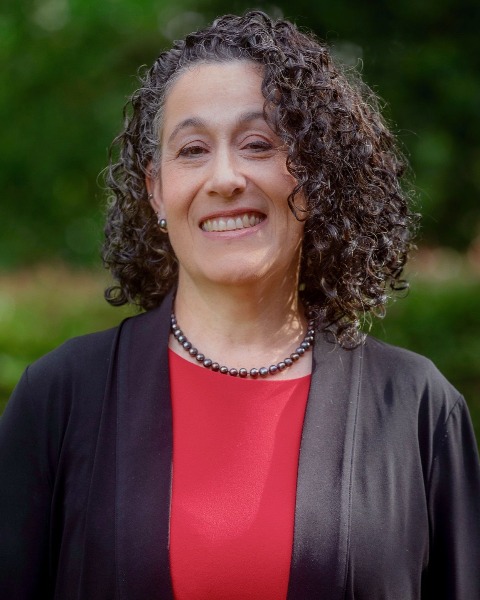
Professor Stanford University Stanford, California, United States
Exposure to traumatic events and subsequent Posttraumatic Stress Disorder (PTSD) are major contributors to the global burden of disease. The PTSD literature has demonstrated support for brief, effective interventions with treatment benefits lasting out to ten years post-treatment. However, there is a gap in access to these treatments for ethnically and culturally diverse or marginalized clients and these treatments were often not developed for or tested with diverse patient populations. Multicultural approaches risk excluding the active ingredients of treatments, resulting in less effective interventions for diverse patient populations. An increasing body of research demonstrates that evidence-based practices and cultural competency can be complementary. Dr. Kaysen has conducted critical studies on the adaptation of evidence-based treatments for PTSD among diverse populations across a wide range of settings and treatments. This talk will synthesize existing knowledge regarding innovations in this field, highlighting prevailing theories of adaptation and discussing specific examples of what these adaptations look like in practice. She will discuss examples of meaningful community involvement in adaptation and will review evidence of treatment effectiveness. Lastly, she will discuss the next challenges for the field of culturally congruent evidence-based care.
Outline: I. The treatment gap A. Mental health concerns have been the leading cause of chronic disability for 20 years. B. Globally, the vast majority of those with mental health problems do not receive care. C. Even within the United States, the treatment gap is present. II. Definitions of culture: multifaceted, intersectional, and relational. Something that is continuously changing for all of us all the time. III. Approaches to cultural adaptation A. FRAME B. Context vs content C. Surface vs deep D. Bottom-up vs top down IV. Case examples A. Implementation of Cognitive Processing Therapy Provided by Community Health Workers in the Democratic Republic of Congo. 1. This section describes the adaptation of CPT to be delivered by paraprofessionals. Adaptations included adaptations for context (low literacy, paraprofessional delivery, community-based, few resources) and culture (changes in some modules, changing terminology, unique idioms of distress). 2. Review initial effectiveness data and long-term follow-up data. Provide qualitative data from counselors and clients. B. Sacred Journey and Healing Seasons: Working with Native American tribal communities 1. This section describes the adaptation of CPT and of NET for rural native Americans including focusing on surface vs deep adaptations. 2. Review effectiveness data for both trials. C. Islamic Trauma Healing and the Somali Community 1. This section describes bottom-up adaptation of trauma focused therapeutic principles to be delivered by lay people, not framed as a mental health intervention. 2. Review data from delivery both within and outside of the US. V. Challenges for the field 1. Works when you have ample time for adaptation and resources for community partnerships 2. More challenging in settings where you are working with broad array of clients 3. Do not know what level of adaptation is necessary, nor do we have tested models of how to approach adaptation. VI. Conclusions
Long-term Goals: • Learners will understand the relationship between evidence-based practices and cultural competency and learn how they can be effectively integrated to enhance treatment outcomes for diverse populations, and ways that they can do so in their own research and/or practice. • Learners will have increased knowledge of existing theories and approaches to cultural adaptation, understand the FRAME model as one useful way of approaching adaptation, and understand the importance of not reducing treatment fidelity or effective elements when adapting interventions for diverse populations.
Learning Objectives:
At the end of this session, the learner will be able to:
Describe approaches to cultural adaptation and give at least one example of a modification to increase cultural fit.
Explain the current evidence base for PTSD treatments when adapted for differing cultural groups.
Identify core elements of PTSD treatments that remain consistent across adaptations across patient populations.

.png)