
.png)



Adult -ADHD
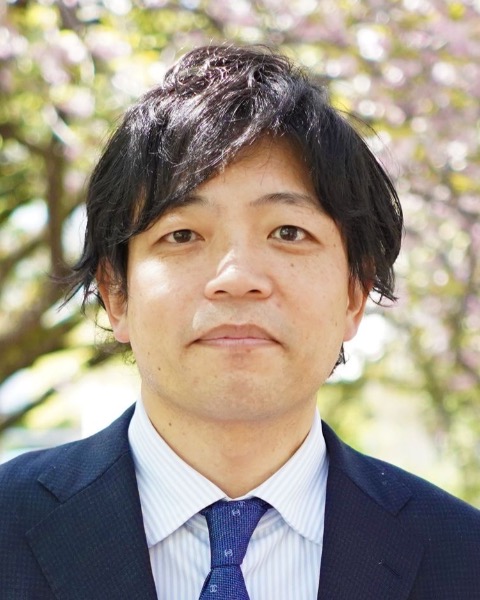
Hironori Kuga, M.P.H., M.D., Ph.D. (he/him/his)
Director General
National Center for Cognitive Behavior Therapy and Research, National Center of Neurology and Psychiatry
Kodaira, Tokyo, Japan
Russell Ramsay, ABPP, Ph.D. (he/him/his)
Independent Practice
Sellersville, PA, United States

Laura Knouse, Ph.D.
Professor of Psychology
University of Richmond
Richmond, VA, United States
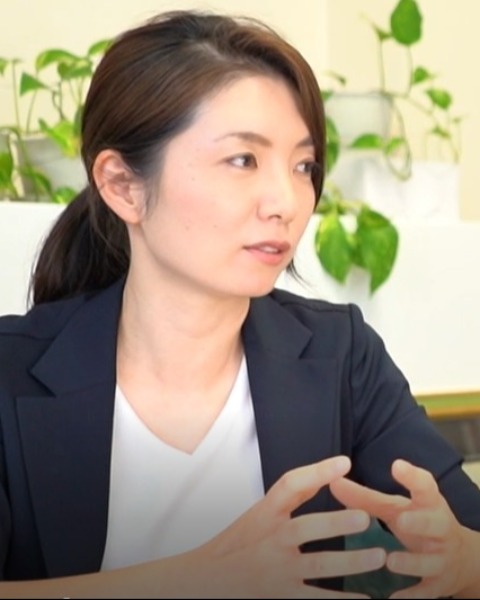
Ikue Umemoto, M.A. (she/her/hers)
Reseach Fellow
National Center of Neurology and Psychiatry in Japan
KItaku, Tokyo, Japan
Aiko Eto, Ph.D. (she/her/hers)
Chiba University
Kodaira, Tokyo, Japan

Daiki Takegawa, Other
Emol inc.
Toshima, Tokyo, Japan
Junichiro Kanazawa, Ph.D. (he/him/his)
Health Sciences University of Hokkaido
Sapporo, Hokkaido, Japan
Cognitive behavioral therapy (CBT) is an evidence-based treatment for adult Attention-Deficit/Hyperactivity Disorder (ADHD), demonstrating effectiveness in symptom and improving quality of life (QOL) (Ramsay & Rostain, 2015; Safren et al., 2005). However, its efficacy and accessibility vary across countries due to factors such as healthcare systems and cultural influences (Li & Zhang, 2023). Although the importance of CBT for ADHD treatment is increasingly recognized in Japan, its implementation remains limited. Culturally adapted interventions and innovative delivery methods are required to expand access to evidence-based treatments for ADHD. This symposium highlights efforts to enhance the accessibility and effectiveness of CBT for adults with ADHD in Japan by incorporating digital technology and cultural adaptations.
The first presentation examines a case study of an adult with ADHD and ASD who experienced hikikomori for 15 years, highlighting the roles of CBT, ACT, and the CRAFT in facilitating social reintegration and employment. The second presentation reports the results of a randomized controlled trial (RCT) on videoconferencing- based CBT for adult ADHD, examining its long-term effectiveness through one-year follow-up data. The third presentation explores the development process of culturally adapted CBT in Japan, identifies key barriers to ADHD-CBT implementation, and presents findings from a feasibility study on culturally adapted intervention strategies (Takamatsu et al., 2024). As no standardized CBT program for adults with ADHD currently exists in Japan, this study provides valuable insights into the feasibility of implementing CBT in the Japanese healthcare system. The final presentation introduces an AI-chatbot-based self-help CBT app for ADHD designed to enhance accessibility through digital interventions. A pilot study was conducted to evaluate the feasibility and effectiveness of the methods.
The designated discussant, Laura E. Knouse, will provide an international perspective on these research findings and discuss how Japan’s experiences can contribute to the global development of ADHD treatment. Finally, the symposium concludes with a discussion on the cultural adaptation of CBT, future research directions, and policy challenges.
Speaker: Ikue Umemoto, M.A. (she/her/hers) – National Center of Neurology and Psychiatry in Japan
Speaker: Aiko Eto, Ph.D. (she/her/hers) – Chiba University
Co-author: Tokiko Yoshidab, Ph.D (she/her/hers) – Chiba University
Co-author: Ayumu Endo, Ph.D (he/him/his) – Komazawa University
Co-author: Eiji Shimiz, Ph.D, M.D. (he/him/his) – Chiba University
Speaker: Daiki Takegawa, Other – Emol inc.
Speaker: Junichiro Kanazawa, Ph.D. (he/him/his) – Health Sciences University of Hokkaido