
.png)


Suicide and Self-Injury
Sean Lauderdale, Ph.D. (he/him/his)
Assistant Professor
University of Houston – Clear Lake
Houston, TX, United States
Andrew Sherrill, Ph.D. (he/him/his)
Assistant Professor
Emory University
Atlanta, GA, United States
Emily Edwards, Ph.D. (she/her/hers)
US Department of Veterans Affairs; Icahn School of Medicine at Mount Sinai
Bronx, New York, United States
Alana Encalade, M.A. (she/her/hers)
University of Houston – Clear Lake
Houston, TX, United States
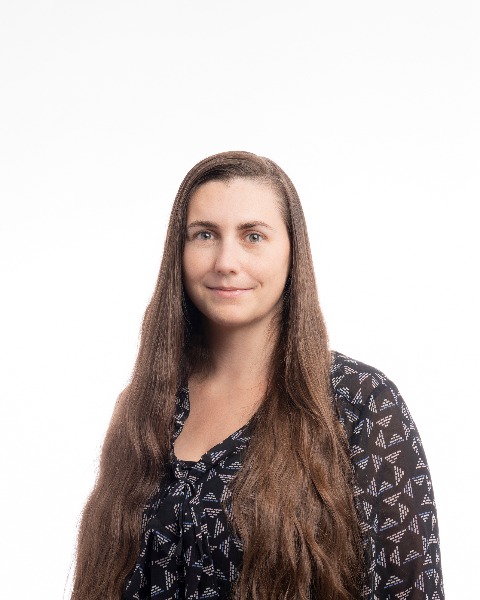
Melissa Litschi, Ph.D. (she/her/hers)
Research Associate
Cohen Veterans Network
Allentown, PA, United States
United States veterans have significantly greater deaths by suicide than the general population, with 6,392 veteran deaths by suicide reported in 2021, making this the second leading cause of death among veterans under 45 years of age (VA, 2023; Schafer et al., 2022). Early detection is essential for prevention, and screening, education, and active monitoring can reduce suicide attempts (Matarazzo et al., 2023; Nelson et al., 2017). Despite substantial efforts, suicide rates among veterans continue to rise, highlighting the need for innovative prevention strategies.
This symposium provides an overview of innovative suicide risks assessment strategies leveraged to identify veterans in need of suicide prevention. Presentations will describe the use of advanced artificial intelligence applications to identify suicide risks in veterans. Other presentations will describe the use of large data to identify suicide risks faced by veterans with diverse life experiences. Another presentation will describe the use of a mixed methods approach to highlight the significant impact of social determinants of health and trauma histories on veterans. Interviews highlight the benefits of integrating an elevated screening pathway for suicide assessment with case management. The presentations are unique in their coverage of a wide range of strategies and veteran characteristics as a means of facilitating veteran suicide prevention.
The first presentation uses data from veterans who accessed VHA services from 2020-2024 to build a suicide risk prediction algorithm based on actuarial suicide ratings, semistructured suicide interview, and medical chart information to identify risks of suicide for veterans with experienced criminal justice involvement or who have experienced homelessness. It is expected that the suicide risks for these veterans will be distinct from the broader veteran population.
The second presentation assesses the use of generative artificial intelligent-large language models’ (GAI-LLMs) ability to assess acute and chronic suicide risks and make treatment recommendations for veterans. The GAI-LLMs assessment of acute and chronic risks are compared to human mental health care providers’ ratings using the same veteran cases.
The third presentation describes a mixed method investigation assessing factors relating to suicide risk among military-connected clients, highlighting the significant impact of social determinants of health and trauma histories, particularly among gender and ethno-racial minorities. Insights from former clients emphasized the importance of effective care approaches in risk assessment and management, underscoring the value of care model that includes an elevated risk pathway and integrated case management.
A discussant will integrate findings based on their extensive experience in veteran care, suicide prevention, and implementation science. They will offer recommendations on utilizing technology and engaging veterans in suicide prevention to enhance outcomes.
These findings from these presentations have substantial public health ramifications as the identification of unique suicide risks can lead to improved strategies for identification and mitigation of deaths by suicide.
Speaker: Emily R. Edwards, Ph.D. (she/her/hers) – US Department of Veterans Affairs; Icahn School of Medicine at Mount Sinai
Co-author: Ryan Holliday, PhD (he/him/his) – US Department of Veterans Affairs
Speaker: Alana Encalade, M.A. (she/her/hers) – University of Houston – Clear Lake
Co-author: Randee M. Schmitt, M.A. (she/her/hers) – University of Houston – Clear Lake
Co-author: Bre Wuckovich – UHCL
Co-author: Natashaa A. Dalal, B.S., M.A. – University of Houston – Clear Lake
Co-author: Hela Desai, B.S. – University of Houston – Clear Lake
Co-author: Shealyn Tomlinson – UHCL
Co-author: Sean A. Lauderdale, Ph.D. (he/him/his) – University of Houston – Clear Lake
Speaker: Melissa A. Litschi, Ph.D. (she/her/hers) – Cohen Veterans Network
Co-author: Steven L. Lancaster, Ph.D. – Cohen Veterans Network
Co-author: David J. Linkh, Ph.D., LCSW – Cohen Veterans Network