
.png)



Technology/Digital Health
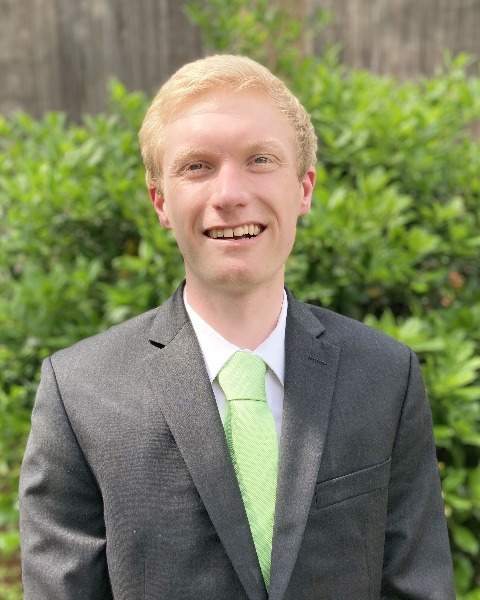
Carter Funkhouser, Ph.D. (he/him/his)
Columbia University
New York, NY, United States
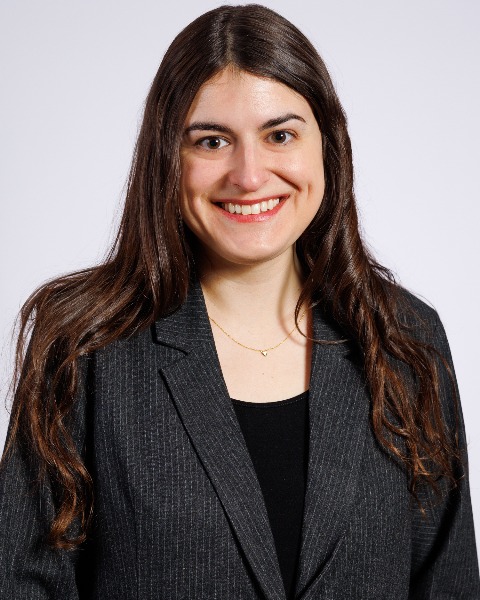
Madelaine Abel, Ph.D. (she/her/hers)
Massachusetts General Hospital
Boston, MA, United States

Lorenzo Lorenzo-Luaces, Ph.D. (he/him/his)
Associate Professor
Indiana University
BLOOMINGTON, IN, United States
Carter Funkhouser, Ph.D. (he/him/his)
Columbia University
New York, NY, United States
.jpg "Jenna Sung, Ph.D. (she/her/hers) photo")
Jenna Sung, Ph.D. (she/her/hers)
Boston University
Cambridge, MA, United States
Madelaine Abel, Ph.D. (she/her/hers)
Massachusetts General Hospital
Boston, MA, United States

Ashley Knapp, M.A., Ph.D. (she/her/hers)
Northwestern University Feinberg School of Medicine
Chicago, IL, United States
Anushka Patel, Ph.D. (she/her/hers)
Massachusetts General Hospital
Cambridge, MA, United States
Many young people who need mental health treatment are unable to access it due to attitudinal barriers and systematic, financial, and operational barriers in systems of care. Therefore, there is a critical need for effective, sustainable service models that both provide rapid access to support and reduce operational burden. Single-session interventions (SSIs) include core elements of evidence-based treatments and intentionally involve one visit or encounter with a clinic, provider, or program. SSIs can reduce a range of mental health problems in young people, with effects persisting up to one year later. Given their brevity, effectiveness, and relatively low burden on systems of care, SSIs show promise in bridging gaps in access to mental health care for young people.
This symposium describes applied examples of each stage in the SSI development and implementation process: how SSIs are designed, adapted to meet the needs of diverse populations, tested and implemented in practice settings, and disseminated at scale. Presentations describe working with a range of stakeholders (e.g., youth, providers) and working within healthcare systems (e.g., hospitals, outpatient clinics) and other systems (e.g., public libraries) to reach young people. Presenters will describe the ways in which SSI employ mechanism-targeted design, detail barriers and facilitators to implementing SSIs, and explain how SSIs can provide immediate, interim support to young people waiting for other forms of care.
The first presentation reports on the design of a web-based SSI for adolescent depression to be implemented on a popular mental health screening website hosted by Mental Health America (MHA), a nonprofit organization. The presentation highlights co-design activities conducted with stakeholders (e.g., adolescents with lived experience), providers, and MHA staff. The second presentation details the practical steps and challenges involved in iteratively adapting a digital SSI originally developed for child anxiety to help caregivers of youth with eating disorders or developmental disabilities. The third presentation reports on effectiveness data from a randomized controlled trial of a digital SSI delivered to parents of youth on a waitlist for cognitive-behavioral therapy. The fourth presentation focuses on the implementation of a digital SSI for adolescents within a large public library setting. This project leverages a long-term community-academic partnership and community advisory board including adolescents, library workers, and community members. Finally, the fifth presentation describes strategies for implementing SSIs in global health settings, with a focus on a project supporting women in Goa, India experiencing domestic violence by delivering a SSI in primary care clinics.
The presenters bring their experiences from developing, adapting, testing, implementing, and disseminating SSIs for young people to highlight the ways in which SSIs are scalable, cost-effective, and reduce barriers to accessing support. The discussant will draw on his experience designing, testing, and disseminating SSIs.
Speaker: Carter J. Funkhouser, Ph.D. (he/him/his) – Columbia University
Co-author: Trinity Tse, BA – Columbia University
Co-author: Julia Greenblatt, BA – Columbia University
Co-author: Samantha Salem, MD – Columbia University
Co-author: Theresa Nguyen, MSW – Mental Health America
Co-author: Laura Mufson, PhD – Columbia University
Co-author: Jessica L. Schleider, Ph.D. (she/her/hers) – Northwestern University
Co-author: Randy Auerbach, PhD, ABPP – Department of Psychiatry, Columbia University
Speaker: Jenna Y. Sung, Ph.D. (she/her/hers) – Boston University
Co-author: Ariela Kaiser, Ph.D. – Lurie Children's Hospital of Chicago
Co-author: Yufan Wang, B.A. – Northwestern University
Co-author: Arielle Smith, B.A. – Northwestern University
Co-author: Jocelyn Lebow, Ph.D. (she/her/hers) – Mayo Clinic
Co-author: Lauren Swift, Ph.D. – Lurie Children's Hospital of Chicago
Co-author: Kamryn Reynolds, B.A. – Northwestern University
Co-author: Heather Risser, Ph.D. (she/her/hers) – Northwestern University Feinberg School of Medicine
Speaker: Madelaine R. Abel, Ph.D. (she/her/hers) – Massachusetts General Hospital
Co-author: Jessica L. Schleider, Ph.D. (she/her/hers) – Northwestern University
Co-author: Alayna D'Amico, BA – Massachusetts General Hospital
Co-author: Dina Hirshfeld-Becker, PhD – Massachusetts General Hospital
Speaker: Ashley A. Knapp, M.A., Ph.D. (she/her/hers) – Northwestern University Feinberg School of Medicine
Co-author: Robert Simmons, Masters of Social Work (he/him/his) – Oak Park Public Library
Co-author: Miguel Herrera, MA (he/him/his) – Northwestern University
Speaker: Anushka R. Patel, Ph.D. (she/her/hers) – Massachusetts General Hospital