
.png)



Adult Depression
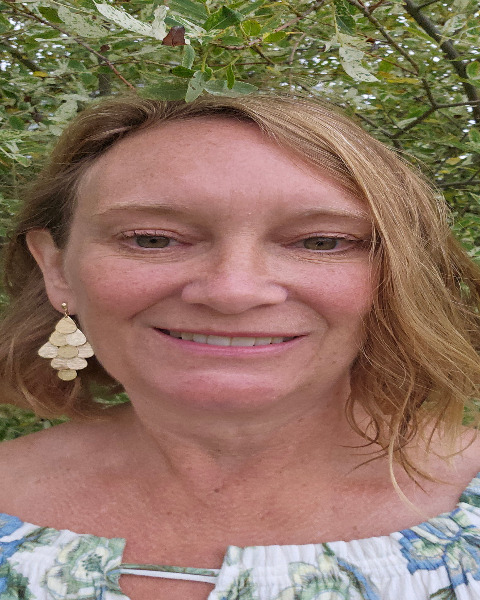
Kelly Rohan, Ph.D. (she/her/hers)
Professor
University of Vermont
Burlington, VT, United States
David Haaga, Ph.D.
Professor
American University
Washington, DC, United States
Kelly Rohan, Ph.D. (she/her/hers)
Professor
University of Vermont
Burlington, VT, United States
Anthony King, Ph.D. (he/him/his)
Associate Professor of Psychiatry & Behavioral Health
The Ohio State University
Columbus, Ohio, United States
Jonah Meyerhoff, Ph.D. (he/him/his)
Research Assistant Professor
Northwestern University Feinberg School of Medicine
Chicago, IL, United States
.jpg "Matthew Price, Ph.D. photo")
Matthew Price, Ph.D.
Professor
University of Vermont
burlington, VT, United States
Imagine this scenario: The NIH has funded your grant application…and then COVID-19 emerges as the first global pandemic in 100 years. The pandemic necessitated rapid adaptations in clinical trials and observational studies across multiple domains of mental health research. This symposium shares personal experiences from four large, multi-year NIH-funded studies underway when the pandemic began. This suite of studies models lessons in resilience, including two clinical trials that went from in-person to Zoom overnight and two studies that overhauled their scope because original methods were infeasible due to COVID restrictions. Study topics range from CBT efficacy for depression and PTSD treatment, personal sensing research, and media consumption effects on mental health.
First, Kelly Rohan presents a randomized clinical trial testing cognitive-behavioral therapy for seasonal affective disorder (CBT-SAD) against light therapy (LT), which revealed unexpected non-replication of prior findings. LT showed faster symptom relief and higher remission rates post-treatment, and the durability advantage previously observed for CBT-SAD was absent. Notably, cohorts treated with in-person CBT-SAD before COVID-19 had better outcomes compared to those treated remotely during the pandemic, suggesting telehealth limitations for CBT-SAD.
Second, Tony King presents a PTSD intervention trial that abruptly transitioned from in-person to remote delivery. Despite this shift, both mindfulness-based cognitive therapy and progressive muscle relaxation showed large and comparable improvements in symptoms, maintained high retention, and showed good client satisfaction. Results suggest that these remotely delivered group interventions are viable treatment modalities.
Third, Jonah Meyerhoff presents a large-scale personal digital sensing study of depression that had to pivot in scope when COVID limited variability in the original predictors. The study transitioned to examine well-being before vs. after the emergency declaration and social distancing. EMA findings indicated elevated stress and worsened mood, comparable in magnitude to weekend vs. weekday mood changes in the pre-pandemic period. Those who lost jobs early in the pandemic experienced significant depression symptom increases, underscoring the differential impact of pandemic-related disruptions.
Lastly, Matt Price describes a brain imaging study of young adults with histories of childhood maltreatment that was reformulated in response to COVID challenges. The resulting longitudinal EMA study used mobile technology to examine the mental health effects of media consumption during COVID-19. Social media exposure related to increased depression and PTSD symptoms, particularly among those with more severe maltreatment histories, while traditional media exposure showed no such association. Results highlight the psychological risks of excessive doomscrolling during crises among those with pre-existing vulnerabilities.
Collectively, these studies emphasize that clinical research requires creativity and resiliency in reacting to challenges, using flexible research methodologies, and grappling with unexpected findings.
Speaker: Kelly J. Rohan, Ph.D. (she/her/hers) – University of Vermont
Co-author: Peter L. Franzen, Ph.D. (he/him/his) – University of Pittsburgh
Co-author: Kathryn A. Roecklein, Ph.D. (she/her/hers) – University of Pittsburgh
Co-author: Greg J. Siegle, Ph.D. (he/him/his) – University of Pittsburgh
Co-author: Teodor T. Postolache, M.D. (he/him/his) – University of Maryland School of Medicine
Co-author: Joan Skelly, M.S. (she/her/hers) – University of Vermont Larner College of Medicine
Co-author: Pamela M. Vacek, Ph.D. (she/her/hers) – University of Vermont Larner College of Medicine
Speaker: Anthony P. King, Ph.D. (he/him/his) – The Ohio State University
Co-author: Todd K. Favorite, Ph.D. (he/him/his) – University of Michigan Medical School
Co-author: David M. Fresco, Ph.D. (he/him/his) – University of Michigan Medical School
Speaker: Jonah Meyerhoff, Ph.D. (he/him/his) – Northwestern University Feinberg School of Medicine
Co-author: Lyle Ungar, Ph.D. – Department of Computer Science, University of Pennsylvania
Co-author: Konrad Kording, PhD – University of Pennsylvania
Co-author: David C. Mohr, Ph.D. (he/him/his) – Northwestern University Feinberg School of Medicine
Co-author: Tony Liu, PhD – Mount Holyoke
Speaker: Matthew Price, Ph.D. – University of Vermont