
.png)


Culture / Ethnicity / Race
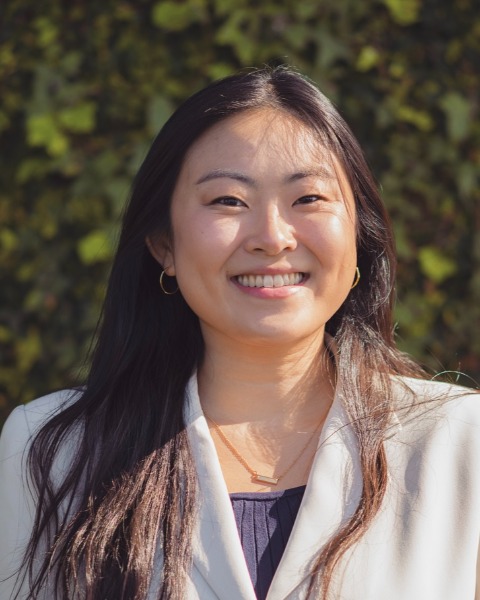
Kristen Chu, M.A. (she/her/hers)
PhD Student
University of California Los Angeles
Los Angeles, CA, United States

Gloria Gomez, B.A. (she/her/hers)
Graduate Student
University of California, Los Angeles
Culver City, CA, United States
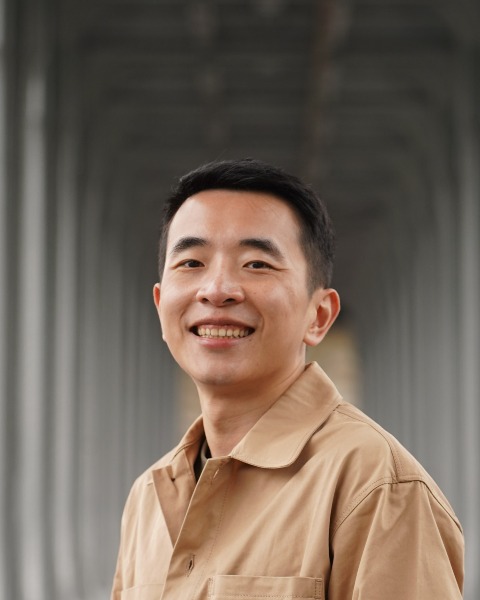
Mark Chen, Ph.D. (he/him/his)
Yale University
New Haven, CT, United States
Kristen Chu, M.A. (she/her/hers)
PhD Student
University of California Los Angeles
Los Angeles, CA, United States
Gloria Gomez, B.A. (she/her/hers)
Graduate Student
University of California, Los Angeles
Culver City, CA, United States

Alainna Wen, Ph.D. (she/her/hers)
Postdoctoral Fellow
University of California, Los Angeles
Los Angeles, CA, United States
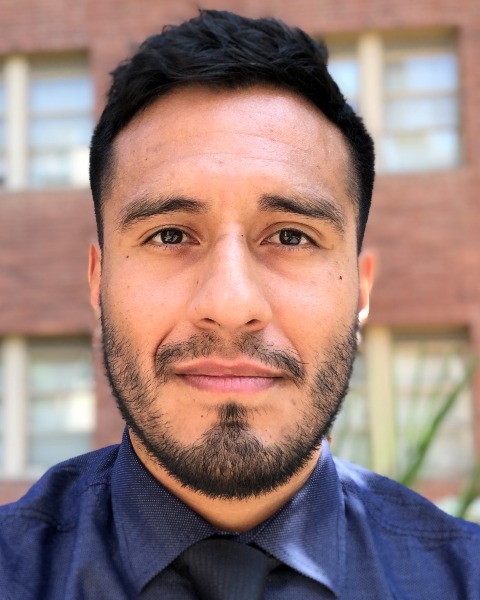
Giovanni Ramos, Ph.D.
Assistant Professor
University of California, Berkeley
Irvine, California, United States
Ethno-racially marginalized young people face disproportionate exposure to adversity, such as caregiver abuse, community violence, and racial discrimination, which increase their risk for internalizing disorders (Cronholm et al., 2015; Williams et al., 2018). Emotion regulation (ER), the process by which individuals manage their emotional experiences and expression, may clarify the link between adversity and psychopathology in this population. Recent evidence suggests that exposure to adversity can negatively impact ER ability (Miu et al., 2022). ER is also a transdiagnostic factor implicated in internalizing disorders, such as anxiety and depression (Aldao et al., 2016). Further, the use of certain ER strategies (i.e., rumination) enhances risk for depression and anxiety, whereas adaptive strategies (i.e., cognitive reappraisal) protect against symptoms of these disorders (Lincoln et al., 2022). Thus, ER may be a key factor that shapes the mental health of marginalized young people. However, the ER processes that confer risk and resilience to internalizing disorders for marginalized young people following adversity remain unexplored.
This symposium presents four studies that explore how ER interacts with adversity and mental health outcomes in ethno-racially marginalized young people. We aim to (1) examine how stress and adversity affect ER processes in adolescents and young adults; (2) evaluate ER as a transdiagnostic mechanism that can reduce the risk of internalizing disorders among marginalized young people; (3) describe advanced statistical methods for studying ER; and (4) identify culturally relevant ER strategies that could serve as intervention targets. This symposium will enhance understanding of ER’s role in reducing the psychological impact of adversity in marginalized young people.
The first speaker will present stress-symptom profiles in marginalized young adults and demonstrate that ER can be a predicting risk factor for internalizing symptoms. Our second speaker will consider how racial discrimination relates to emotion dysregulation and internalizing symptoms in marginalized adolescents. The third speaker will introduce diversity in ER strategy use, describe its association with symptom trajectories in marginalized adolescents, and discuss implications for treatment personalization. Our last speaker will contextualize two ER strategies, cognitive reappraisal and emotion suppression, as culturally relevant intervention targets that can support the mental health of young adults experiencing racial stress. Our discussant, an expert in adversity, ER, and psychopathology across development, will integrate findings from the presentations and consider implications for culturally responsive interventions designed for marginalized young people.
Speaker: Kristen A. Chu, M.A. (she/her/hers) – University of California Los Angeles
Co-author: Alainna Wen, Ph.D. (she/her/hers) – University of California, Los Angeles
Co-author: Matthew Wong, B.A. – UCLA
Co-author: Andrew Sanders, B.A. – UCLA
Co-author: Kayla Sharf, B.A. – UCLA
Co-author: Kate Wolitzky-Taylor, Ph.D. – UCLA School of Medicine
Co-author: Michelle Craske, Ph.D. – University of California Los Angeles
Speaker: Gloria Gomez, B.A. (she/her/hers) – University of California, Los Angeles
Co-author: Alainna Wen, Ph.D. (she/her/hers) – University of California, Los Angeles
Co-author: Jennifer A. Silvers, Ph.D. – University of California, Los Angeles
Co-author: Marybel Robeldo Gonzalez, PhD (she/her/hers) – The Ohio State University College of Medicine
Co-author: Denise A. Chavira, Ph.D. – University of California Los Angeles
Speaker: Alainna Wen, Ph.D. (she/her/hers) – University of California, Los Angeles
Co-author: Alainna Wen, Ph.D. (she/her/hers) – University of California, Los Angeles
Co-author: Kristen A. Chu, M.A. (she/her/hers) – University of California Los Angeles
Co-author: Richard Zinbarg, Ph.D. (he/him/his) – Northwestern University
Co-author: Robin Nusslock, Ph.D. (he/him/his) – Northwestern University
Co-author: Michelle Craske, Ph.D. – University of California Los Angeles
Speaker: Giovanni Ramos, Ph.D. – University of California, Berkeley
Co-author: Yinyin Wen, BA – UCLA
Co-author: Amanda Montoya, PhD – UCLA