
.png)


Military and Veterans Psychology
Sean Lauderdale, Ph.D. (he/him/his)
Assistant Professor
University of Houston – Clear Lake
Houston, TX, United States
Andrew Sherrill, Ph.D. (he/him/his)
Assistant Professor
Emory University
Atlanta, GA, United States
.jpg "Sheila Rauch, ABPP, Ph.D. photo")
Sheila Rauch, ABPP, Ph.D.
Professor
Atlanta VAHCS/Emory SOM
Atlanta, Georgia, United States
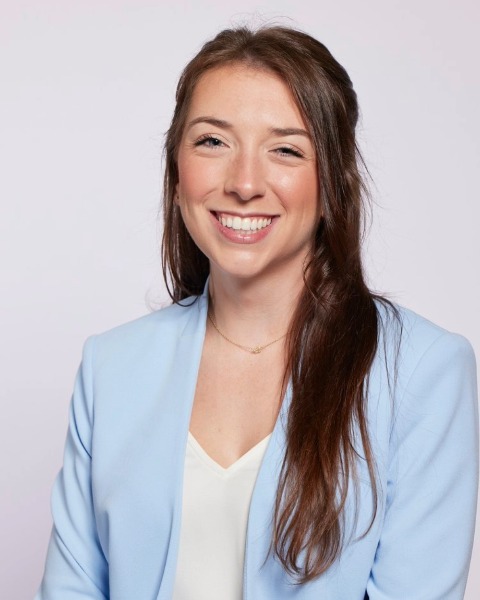
Randee Schmitt, M.A. (she/her/hers)
Graduate Student
University of Houston – Clear Lake
San Antonio, TX, United States
Nathaniel Swinger, B.S.
Ph.d. Student
Georgia Institute of Technology
ATLANTA, GA, United States
Nate Phillips, M.S. (he/him/his)
University of Georgia
Athens, GA, United States
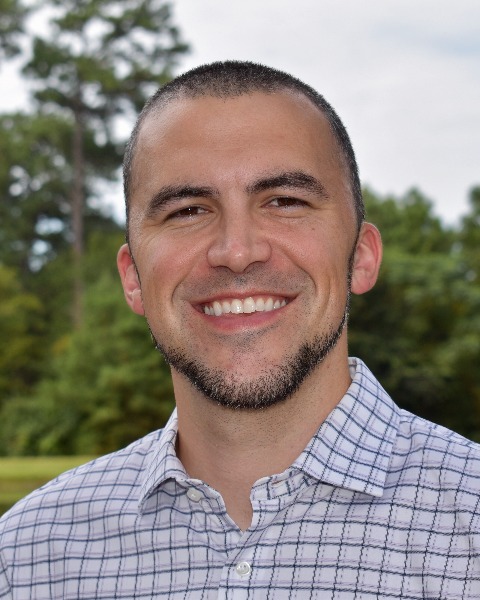
Adam McGuire, Ph.D. (he/him/his)
US Department of Veterans Affairs
Chandler, TX, United States
Prevalence rates of PTSD and other mental disorders in United States’ veterans are substantial and range up to 26% (Trivedi et al., 2015). Unfortunately, other findings suggest that mental health treatment utilization among veterans in Veterans Health Administration (VHA) and non-VHA clinics is low, often falling below 30% (Johnson & Possemato, 2019; Kline et al., 2021). Of veterans who initiate mental health care, only a small number persist to completion and dropout rates are substantial and range from 12-48% (Steencamp et al., 2020). These numbers suggest barriers in both initiation of and retention in mental health care treatment of veterans (Johnson & Possemato, 2019). Although numerous investigations have assessed factors associated with mental health utilization in veterans (see Johnson & Possemato, 2019 for review), individual veteran factors affecting low initiation of and attrition from mental health remain largely unexamined (Karlin & Brenner, 2020).
This symposium provides an overview of strategies identifying individual veteran characteristics affecting mental health care initiation and retention. Presentations will describe the utility of leveraging technology to assess and facilitate therapeutic engagement by veterans. Other presentations will describe how veterans’ individual characteristics and perception of group coherence are associated with treatment persistence. The presentations are unique in their coverage of a diverse range of strategies, veteran characteristics, and treatment modalities as a means of understanding veterans’ mental health treatment utilization.
The first presentation reports on the assessment of moral injury (MI) by generative artificial intelligence-large language models (GAI-LLMs), with a focus on determining if GAI-LLMs can effectively identify MI in veterans experiencing traumatic combat experiences. The second presentation describes the use of a phone-based application for prolonged exposure (PE), and the utility of the app in affecting veterans’ engagement in PE. The third presentation will highlight how personality factors affect longitudinally assessed symptom trajectories and treatment satisfaction in veterans participating in an intensive outpatient treatment program. The final presentation will describe the effect moral elevation has on group cohesiveness in veterans attending group psychotherapy for PTSD as well as how moral elevation affects PTSD symptoms over time.
The discussant will use her extensive research and clinical knowledge with veterans, PTSD, and implementation science and provide an integrative overview and recommendations for leveraging technology and engaging veterans in mental health care to enhance their mental health care utilization.
These findings from these presentations have substantial public health ramifications as the identification of unique suicide risks can lead to improved strategies for identification and mitigation of deaths by suicide.
Speaker: Randee M. Schmitt, M.A. (she/her/hers) – University of Houston – Clear Lake
Co-author: Randee M. Schmitt, M.A. (she/her/hers) – University of Houston – Clear Lake
Co-author: Sean A. Lauderdale, Ph.D. (he/him/his) – University of Houston – Clear Lake
Co-author: Julian A. Wieck, B.S. – University of Houston – Clear Lake
Co-author: Maheen Maiya, B.S. – University of Houston-Clear Lake
Co-author: Vaishnavi Konda, B.S. – University of Houston-Clear Lake
Co-author: Zane Shamsher, B.S. – University of Houston-Clear Lake
Speaker: Nathaniel Swinger, B.S. – Georgia Institute of Technology
Co-author: Nathaniel Swinger, B.S. – Georgia Institute of Technology
Co-author: Barbara O. Rothbaum, ABPP, Ph.D. (she/her/hers) – Emory University School of Medicine
Co-author: Sheila A.M. Rauch, Ph.D., ABPP – Emory University
Co-author: Rosa I. Arriaga, Ph.D. – Georgia Institute of Technology
Co-author: Andrew M. Sherrill, Ph.D. (he/him/his) – Emory University
Speaker: Nate L. Phillips, M.S. (he/him/his) – University of Georgia
Speaker: Adam McGuire, Ph.D. (he/him/his) – US Department of Veterans Affairs
Co-author: Alexander Riera, MS – VISN 17 Center of Excellence for Research on Returning War Veterans
Co-author: Elizabeth Nosen, PhD – G.V. (Sonny) Montgomery VA Medical Center