
.png)



Couples / Close Relationships

Melissa Gates, M.S. (she/her/hers)
Doctoral Student
Binghamton University
SUNY Binghamton
Vestal, NY, United States
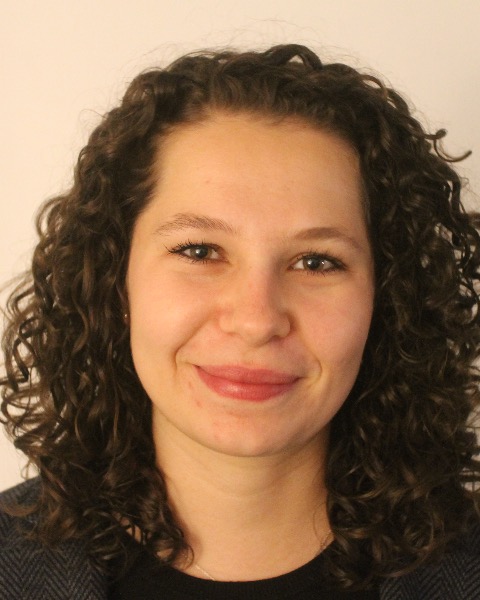
Emily Bibby, M.A. (she/her/hers)
Graduate Student
Stony Brook University
Mineola, NY, United States
Jasara Hogan, Ph.D. (she/her/hers)
New York University
Nw York City, NY, United States

Emily Spargo, B.S. (she/her/hers)
University of Utah
Salt Lake City, UT, United States
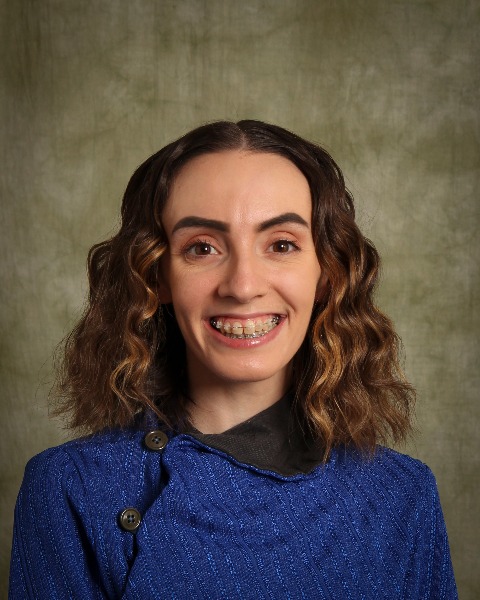
Alyssa Miville, B.A., M.S. (she/her/hers)
Graduate Student
Binghamton University
Binghamton, NY, United States
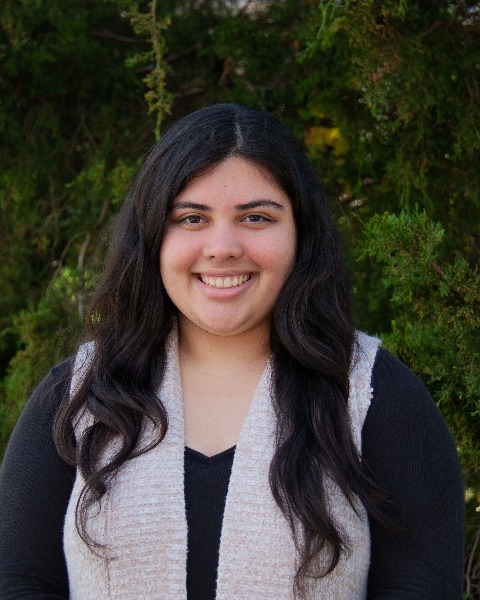
Allison Tobar-Santamaria, M.S. (she/her/hers)
Graduate Research Assistant
Virginia Polytechnic Institute and State University
Blacksburg, VA, United States
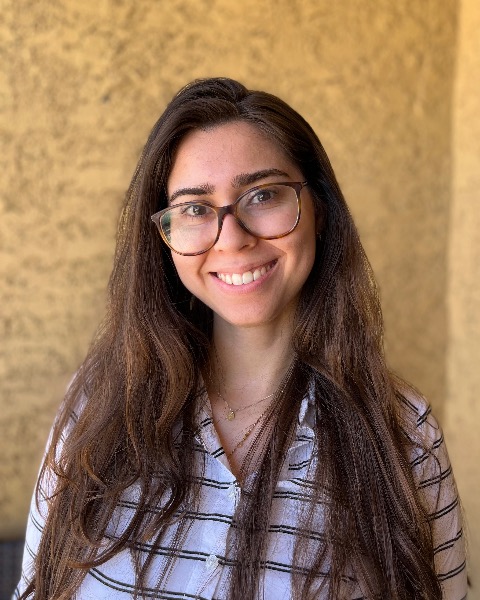
Quinn Hendershot, M.S. (she/her/hers)
PhD Student
Binghamton University
Johnson City, NY, United States
Therapy can have essential implications for romantic relationships. Although there are several empirically-supported treatments for relationship distress, it is not clear which factors and mechanisms may influence the extent to which couples see and report positive change. For example, many couples experience “sudden gains,” rather than a steady increase in satisfaction throughout treatment for which the mechanisms are unknown. Recent research also suggests that cultural context has important implications on relationship functioning. For instance, providing culturally informed care can play a meaningful role in relationship outcomes (Gray et al., 2022; Kalai & Eldridge, 2021). Beyond that, critical contextual factors and external stressors also contribute to therapeutic outcomes and relationship functioning. For instance, identity and cultural factors influence relationship functioning, shaping how couples experience stress, communicate, and navigate conflict (Ledermann, et al., 2010; Otis et al., 2006; Randall & Bodenmann, 2017). Additionally, in order to empirically assess treatment gains effectively, it is important to have measures of relationship functioning that are inclusive and culturally informed. Taken together, differences in trajectories of couple’s treatment outcomes may be due to levels of integration of identity (e.g., sexual identity), culture (e.g., religion), and critical contextual factors (e.g., stress, substance use) into treatment, and the ways we measure treatment gains (e.g., daily diary, adapted assessments).
With limited understanding of the factors and mechanisms influencing intimate relationship outcomes, this symposium will identify areas important in the context and assessment of relationships. The presentations will underscore the importance of promoting inclusion in intimate relationship research through assessment selection and modification, discussing various aspects of culture (e.g., religiosity, sexual orientation), and suggesting approaches for tailoring evidence-based treatments accordingly. Presenter 1 will provide insight into the trajectories of change among community couples in integrative behavioral couple therapy, illuminating that not all therapeutic changes are gradual. Presenter 2 will outline associations between religious and spiritual beliefs, communication, sexual desire and satisfaction, and relationship outcomes among a national sample of adults in romantic relationships. Presenter 3 will discuss an iterative, mixed-method approach to developing a Spanish version of a well-used measure of relationship satisfaction among an English and Spanish-speaking sample. Presenter 4 will discuss findings from a pilot study that explored the moderating role of daily SMS in the association between intimate partner violence victimization and same and next-day alcohol use among multigender-attracted individuals and their partners. Finally, the Discussant will overview how multicultural considerations (e.g., identity, spirituality), stressors, and measurement selection may meaningfully contribute to relationship outcomes and trajectories. Future directions and suggestions for clinical implications will be highlighted.
Speaker: Emily L. Spargo, B.S. (she/her/hers) – University of Utah
Co-author: Katherine J. W. Baucom, PhD (she/her/hers) – University of Utah
Co-author: Brian R. W. Baucom, PhD (he/him/his) – University of Utah
Speaker: Alyssa Miville, B.A., M.S. (she/her/hers) – Binghamton University
Co-author: Richard Mattson, PhD – Binghamton University (SUNY)
Speaker: Allison Tobar-Santamaria, M.S. (she/her/hers) – Virginia Polytechnic Institute and State University
Co-author: Allison Tobar-Santamaria, M.S. (she/her/hers) – Virginia Polytechnic Institute and State University
Co-author: monica Ahrens, Ph.D. – Virginia Tech
Co-author: Brian Feinstein, Ph.D. (he/him/his) – Rosalind Franklin University
Co-author: Ryan Shorey, Ph.D. – University of Wisconsin, Milwaukee
Co-author: Meagan J. Brem, Ph.D. – Virginia Tech
Speaker: Quinn E. Hendershot, M.S. (she/her/hers) – Binghamton University
Co-author: Hannah Williamson, Ph.D. – The University of Texas at Austin
Co-author: Karen Aizaga, Ph.D. – New York Presbyterian Hospital
Co-author: Matthew D. Johnson, PhD (he/him/his) – Binghamton University (SUNY)