
.png)



Treatment - CBT
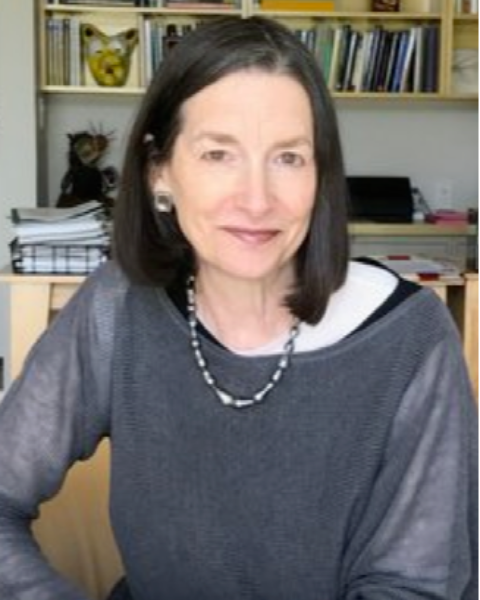
Jacqueline Persons, Ph.D. (she/her/hers)
Director
Oakland CBT Center
Oakland, CA, United States
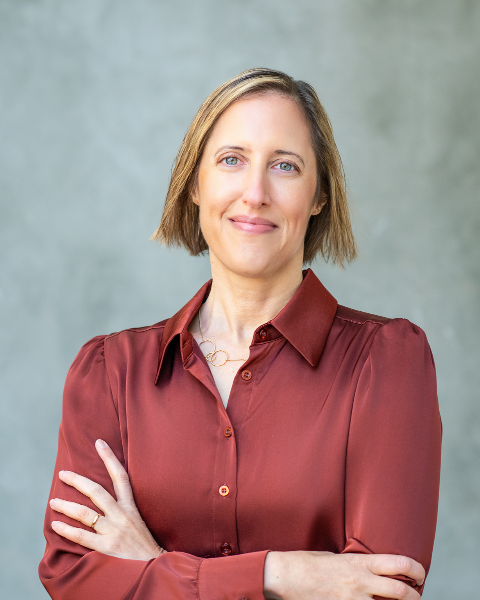
Shireen Rizvi, ABPP, Ph.D.
Director of Psychology Training
Montefiore Medical Center
Bronx, New York, United States
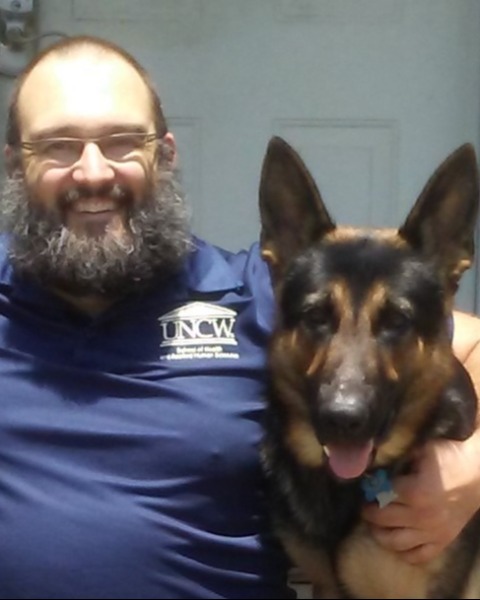
John Lothes, II, Ed.D (he/him/his)
Lecturer
University of North Carolina Wilmington
Wilmington, NC, United States
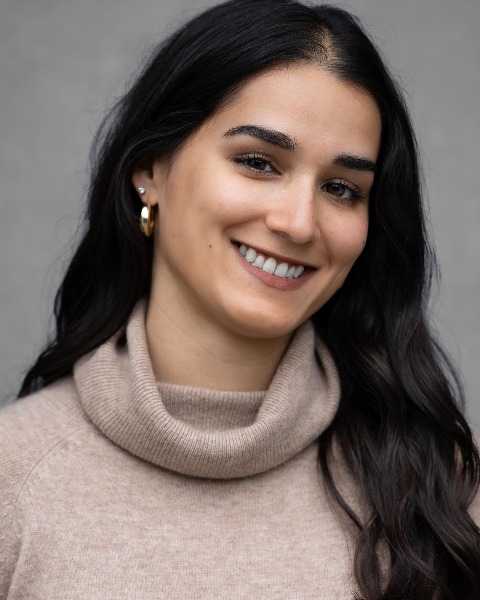
Stephanie Haft, Ph.D. (she/her/hers)
Postdoctoral Fellow
University of California San Francisco
San Francisco, California, United States
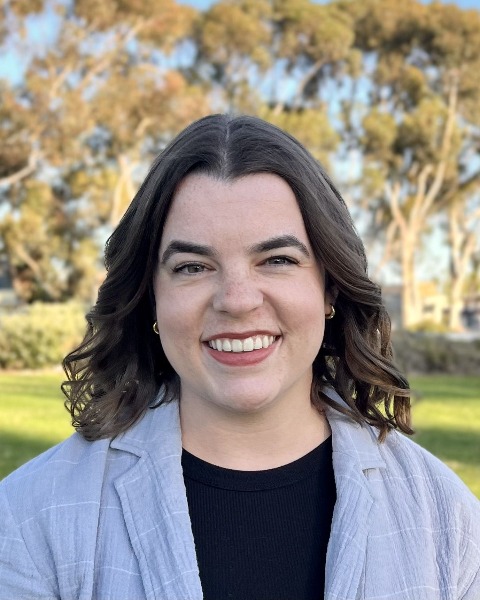
Emma Parrish, M.S. (she/her/hers)
University of Washington School of Medicine
Seattle, WA, United States
To increase the generalizability and translational impact of our findings, and to promote the integration of science and practice, scientist-clinicians can collect data in routine practice both to guide treatment and to contribute to science. Data collected during routine care can test important hypotheses about the effectiveness and mechanisms of action of cognitive and behavioral therapies.
This symposium presents three examples of this research strategy implemented in three treatment settings: inpatient care, partial hospital and intensive outpatient treatment, and outpatient private practice. With regard to private practice in particular, very little is known about the outcome of treatment in private practice despite the fact that nearly 40% of patients receiving outpatient mental health care receive it in a private practice setting.
One presenter, an academic and experienced clinician, will present data collected during routine care of patients receiving DBT in intensive outpatient and partial hospital settings. He will present symptom data and also some data examining proposed change mechanisms, such as mindfulness.
A second presenter, an intern collaborating with medical center academics, will present data from an uncontrolled trial of a novel single session CBT intervention for inpatients with psychosis (SS-CBTp). Referrals for the SS-CBTp were solicited from unit psychiatrists or from the unit CBTp groups. To evaluate the primary components of the intervention, the authors conducted a chart audit. Data evaluate the effects of the intervention on psychological flexibility, psychological recovery, and progress on the patient’s intervention goal.
A third presenter, a postdoctoral fellow and co-author with an experienced clinician, will present data from a large uncontrolled trial of depressed patients who received naturalistic case formulation-guided CBT in private practice.
An experienced clinician and academic will serve as discussant.
Speaker: John Lothes, II, Ed.D (he/him/his) – University of North Carolina Wilmington
Co-author: John Lothes, II, Ed.D (he/him/his) – University of North Carolina Wilmington
Speaker: Stephanie Haft, Ph.D. (she/her/hers) – University of California San Francisco
Speaker: Emma M. Parrish, M.S. (she/her/hers) – University of Washington School of Medicine
Co-author: Emma M. Parrish, M.S. (she/her/hers) – University of Washington School of Medicine
Co-author: Kelsey Straub, PhD (she/her/hers) – University of washington school of medicine
Co-author: Sarah L. Kopelovich, Ph.D. (she/her/hers) – University of Washington School of Medicine