
.png)



Parenting / Families

Jennifer Piscitello, Ph.D. (she/her/hers)
Assistant Research Scientist
New York University
Bayside, NY, United States
Tim Cavell, Ph.D. (he/him/his)
Professor
University of Arkansas
FAYETTEVILLE, AR, United States
Kelly Daly, Ph.D.
Assistant Research Scientist, Clinical Child Psychologist
New York University
New York, NY, United States
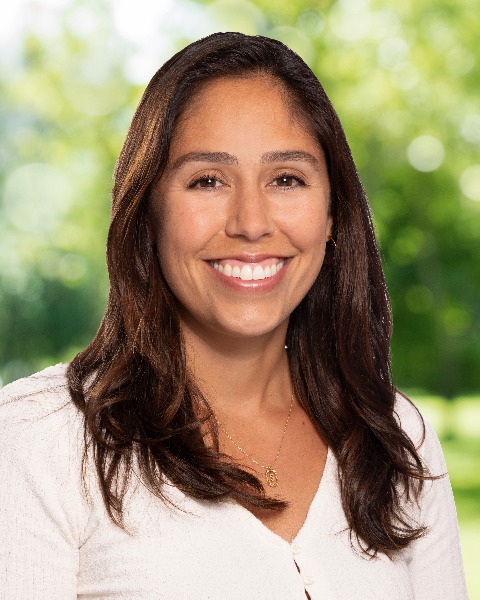
Samantha Corralejo, Ph.D.
Assistant Professor
California State University, Fullerton
CULVER CITY, CA, United States
Brittany Merrill, Ph.D. (she/her/hers)
Postdoctoral Associate
Florida International University
Buffalo, NY, United States
Jennifer Piscitello, Ph.D. (she/her/hers)
Assistant Research Scientist
New York University
Bayside, NY, United States
Behavioral Parent Training (BPT) is the most common psychosocial intervention for child externalizing problems. BPT is associated not only with decreases in child behavior problems, but with reductions in parenting stress and enhanced parent-child relationship quality. Despite substantial evidence supporting the effectiveness of BPT, uptake is disappointing. Forty percent of children diagnosed with a disruptive behavior disorder do not receive an evidence-based intervention (Kalvin et al., 2024). Moreover, only 22% of families who initiate BPT treatment are estimated to complete it (Chacko et al., 2018). Logistical barriers (e.g., transportation, cost, geographical restriction, scheduling conflicts, care needs), barriers to adherence (e.g., motivation, parent executive functioning, and cognitions, treatment demands), and barriers to learning (e.g., generalizing skills without support, no in-vivo feedback, parenting self-efficacy) are some of the reasons for this high underutilization rate (e.g., almost 60% of families of children with ADHD do not receive BPT).
Beyond these factors, many families remain unaware that BPT is a treatment option. This is particularly true for disorders such as ADHD—most frequently diagnosed by a pediatrician. A medical diagnosis of a neurodevelopmental disorder is likely to engender medication-seeking as a first-line treatment. As a field, we are doing a poor job at disseminating the research support for BPT to medical and other referring professionals (e.g., teachers), as well as to the general public. Thus, referrals are not making it to BTP clinics, and families in certain geographical areas may simply lack access to BPT.
In sum, although evidence-based BPT programs have decades of research support with well-documented benefits for children and their families, families continue suffering at high rates. For example, in 2024, the Surgeon General released a public health warning about the negative impacts of parenting on the well-being of caregivers. As clinical practitioners, we are aware of frequent incongruity between what parents are looking for regarding immediate support from us and what we, as the experts, determine is most useful to them. There is a clear need to empirically determine whether our treatments are aligned with today’s parents and to adapt current treatments to ensure they are personalized for the specific needs of the families we serve. There is still much work to be done to address questions such as (1) whether our treatments are aligned with parents’ needs/wants, (2) what child development and parenting information parents are receiving and from whom, (3) how we can best adapt interventions to meet parents where they are, and (4) how we can utilize advances in technology to improve our assessments of parent-child interactions to inform treatment personalization. The presentations represented in this symposium address these questions and discuss implications of leveraging technological advances and social media to better understand why treatment underutilization is so pervasive, as well as discuss ways to improve initial uptake, increase motivation and engagement, and support lasting improvements in child and parent mental health functioning.
Speaker: Kelly Daly, Ph.D. – New York University
Co-author: Jennifer Piscitello, Ph.D. (she/her/hers) – New York University
Co-author: Tymaa Alqatari, M.Sc. – New York University
Co-author: Annette Kim, B.A. – New York University
Co-author: Anna Segura Montagut, Ph.D. – New York University
Speaker: Samantha M. Corralejo, Ph.D. – California State University, Fullerton
Co-author: Tamara Del Vecchio, Ph.D. – St John's University
Co-author: Anil Chacko, Ph.D. – New York University
Co-author: Jennifer Piscitello, Ph.D. (she/her/hers) – New York University
Speaker: Brittany M. Merrill, Ph.D. (she/her/hers) – Florida International University
Co-author: Gregory A. Fabiano, Ph.D. – Florida International University
Speaker: Jennifer Piscitello, Ph.D. (she/her/hers) – New York University
Co-author: Brittany M. Merrill, Ph.D. (she/her/hers) – Florida International University
Co-author: Megan Hare, Ph.D. – Vanderbilt University
Co-author: Gregory A. Fabiano, Ph.D. – Florida International University
Co-author: Ou Bai, Ph.D. – Florida International University
Co-author: Yanzhao Wu, Ph.D. – Florida International University