
.png)



Adult- Health Psychology / Behavioral Medicine

Kristin Szuhany, Ph.D. (she/her/hers)
Assistant Professor
NYU School of Medicine
New York, NY, United States

M. Alexandra Kredlow, Ph.D. (she/her/hers)
Dean of Arts and Sciences Assistant Professor
Tufts University
Medford, Massachusetts, United States
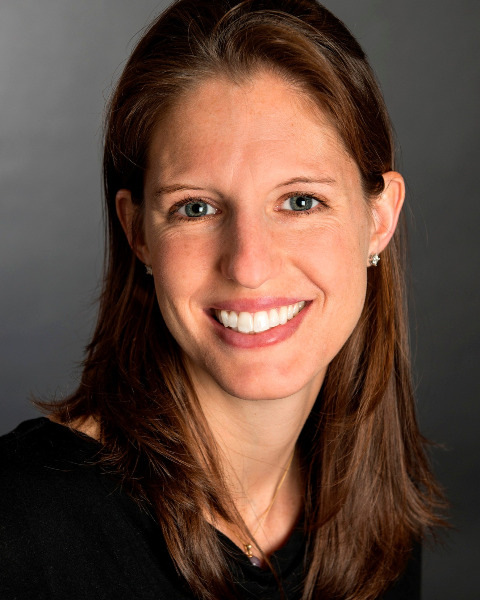
Louisa Sylvia, Ph.D. (she/her/hers)
Associate Professor
Massachusetts General Hospital
Newton, MA, United States
Melanie Bozzay, Ph.D. (she/her/hers)
Assistant Professor
The Ohio State University Wexner Medical Center
Columbus, OH, United States
Chad Rethorst, Ph.D. (he/him/his)
Texas A&M Agrilife Research - Dallas
Dallas, TX, United States
Morganne Kraines, Ph.D. (she/her/hers)
Alpert Medical School of Brown University/Butler Hospital
Providence, RI, United States
Julia Browne, Ph.D.
Assistant Professor
Providence VA Healthcare System
providence, RI, United States
Kristin Szuhany, Ph.D. (she/her/hers)
Assistant Professor
NYU School of Medicine
New York, NY, United States
Insomnia is highly prevalent in adults with depression, anxiety (both ~25-46%; Soehner & Harvey, 2012), PTSD (63-92%; Ahmadi et al., 2022; Milanak et al., 2019), and alcohol use disorders (~60%; Perney & Lehert, 2018). It may be an early symptom that predicts disorder onset, can worsen current psychiatric symptoms and impair functioning, and is also a risk factor for suicidal ideation (Dolson et al., 2014). Cognitive behavior therapy for insomnia is a gold-standard intervention; however, it may be difficult to access. Therefore, there is a great need to identify alternative interventions.
Exercise is an easily accessible, cost-effective alternative with known efficacy for improving anxiety, stress, and depression (e.g., Noetel et al., 2024; Ramos-Sanchez et al., 2021). Exercise also has demonstrated effects on improving sleep, including sleep onset latency, efficiency, and quality, in non-psychiatric populations (e.g., Kredlow et al., 2015). However, less is known about how exercise may impact sleep in patients with chronic sleep disturbances and psychiatric symptoms that are heavily intertwined. Indeed, a meta-analysis of effects of regular exercise on sleep quality in psychiatric populations reported a large positive effect but only identified 8 randomized controlled trials (Lederman et al., 2019). Additionally, another meta-analysis in depressed samples only found that mind-body exercise combined with treatment as usual (TAU) or vigorous exercise plus TAU improved sleep, but not moderate exercise (Brupbacher et al., 2021). These conflicting results suggest the need for a greater understanding of how exercise may impact sleep in psychiatric populations. Furthermore, little is known about the longitudinal progression of changes in sleep and psychiatric symptoms during an exercise program and the optimal exercise timing, type, and delivery method for sleep improvement.
The goal of this symposium is to begin to delve into this understudied topic. First, Dr. Bozzay will examine the relationship between eveningness chronotypes (biologically-based preferences towards later bed and rise times), physical activity, and suicidal ideation in studies using ecological momentary assessment in suicidal individuals. Next, Dr. Rethorst will examine sleep outcomes from a trial of behavioral activation plus physical activity delivered via teletherapy in depression. Dr. Kraines will then present the results of a trial comparing the impact of a lifestyle physical activity intervention to health education on sleep outcomes, in women with depression and alcohol use disorder. Next, Dr. Browne will present the results of a trial comparing the impact of supervised exercise to TAU on sleep in older adults with PTSD. Then, Dr. Szuhany will present sleep outcomes from an aerobic exercise trial in an anxiety disorder population. Finally, given her expertise in developing resiliency and wellness programs for individuals with mood disorders, including studies examining the role of sleep and exercise, Dr. Sylvia will put these findings in context and discuss next steps for this important research area. Exercise interventions may help broaden the reach of behavioral therapies for sleep disturbance to diverse transdiagnostic populations.
Speaker: Melanie L. Bozzay, Ph.D. (she/her/hers) – The Ohio State University Wexner Medical Center
Co-author: Zachary J. Kunicki, M.P.H., M.S., Ph.D. – Brown University Medical School
Co-author: Jungwoon Park, B.S. – Brown University
Co-author: Stephen Coutu, B.S. – Brown University
Co-author: Abigail Markley, B.S. – The Ohio State University Wexner Medical Center
Co-author: Kareena Jain, Student – The Ohio State University Wexner Medical Center
Co-author: Ryan Tong, Student – The Ohio State University Wexner Medical Center
Co-author: Michael Armey, PhD – Warren Alpert Medical School of Brown University
Speaker: Chad D. Rethorst, Ph.D. (he/him/his) – Texas A&M Agrilife Research - Dallas
Speaker: Morganne A. Kraines, Ph.D. (she/her/hers) – Alpert Medical School of Brown University/Butler Hospital
Co-author: Gemma T. Wallace, Ph.D. (she/her/hers) – Alpert Medical School of Brown University
Co-author: Julia Browne, Ph.D. – Providence VA Healthcare System
Co-author: Eleanor Amer, BA – Butler Hospital
Co-author: Alicia Bergeron, BS – Butler Hospital
Co-author: Katherine Landino, BA – Butler Hospital
Co-author: Cynthia L. Battle, Ph.D. – Alpert Medical School of Brown University
Co-author: Ana Abrantes, Ph.D. – Butler Hospital/Alpert Medical School of Brown University
Speaker: Julia Browne, Ph.D. – Providence VA Healthcare System
Co-author: Michelle Pebole, PhD (she/her/hers) – VA Boston Healthcare System
Co-author: Jeffrey Gregg, PhD – Durham VA Health Care System
Co-author: Katherine Hall, PhD – Durham VA Health Care System
Speaker: Kristin L. Szuhany, Ph.D. (she/her/hers) – NYU School of Medicine
Co-author: Giselle Cornejo, Ph.D. – NYU Langone Medical Center
Co-author: Naomi M. Simon, M.D. – NYU Grossman School of Medicine