
.png)



Violence / Aggression
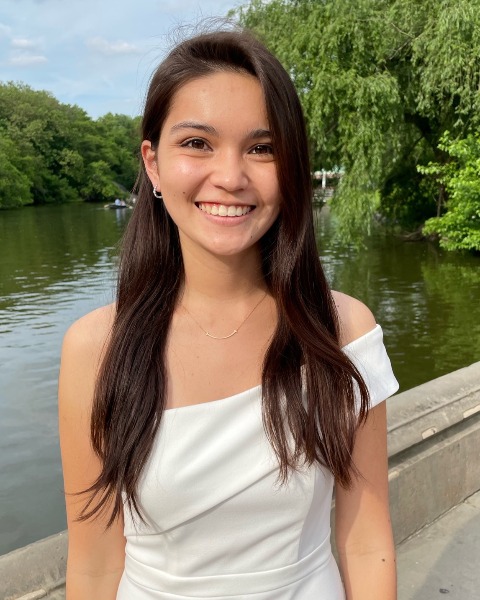
Lauren Simpson, B.A.
Graduate Student
University of Nebraska-Lincoln
Lincoln, NE, United States
Dominic Parrott, Ph.D. (he/him/his)
Department of Psychology, Georgia State University
Atlanta, GA, United States

Benjamin Katz, M.S.
Graduate Student
University of Wisconsin-Milwaukee
Northampton, MA, United States
Lauren Simpson, B.A.
Graduate Student
University of Nebraska-Lincoln
Lincoln, NE, United States

Allison Tobar-Santamaria, M.S. (she/her/hers)
Graduate Research Assistant
Virginia Polytechnic Institute and State University
Blacksburg, VA, United States
Intimate partner violence (IPV) is a significant public health concern with far-reaching consequences that disproportionately affect women and minority individuals (e.g., sexual/gender, racial/ethnic). A well-established finding, based primarily on correlational data, is that experiencing IPV is linked to increased alcohol use (Devries et al., 2014). To build on this work, researchers are employing diverse methodologies to address key issues, such as understanding the dynamic interplay between IPV and alcohol use in daily life, the mechanisms driving risk, and the factors that facilitate or hinder effective intervention.
This symposium brings together different methodological approaches (the “trees”) to provide a more comprehensive understanding of IPV and alcohol use (the “forest”). Specifically, we highlight three studies using distinct methodologies – ecological momentary assessment (EMA), longitudinal surveys, and qualitative interviews – to capture the complexity of these associations. By integrating multiple methods, this work contributes to translational science, enhancing our ability to bridge research with practice.
The first presentation leverages EMA to examine the frequency and co-occurrence of IPV and alcohol use over a 30-day period among diverse community women. By capturing frequent, real-time assessments throughout the day, EMA extends prior cross-sectional and longitudinal work, providing a more nuanced understanding of these behaviors. Although pinpointing when IPV and alcohol use co-occur is a crucial step, reducing alcohol use following IPV requires identifying mechanisms driving change over time. The second presentation takes this next step by employing a longitudinal design to investigate emotion dysregulation as a mediator between past-year IPV severity and drinking to cope four months later. Bu establishing temporal precedence, this study extends prior cross-sectional research and identifies emotion dysregulation as a key pathway linking IPV and later drinking to cope—highlighting a potential target for intervention. Building on these identified mechanisms, the final presentation shifts focus to intervention accessibility and effectiveness. Through qualitative interviews with clinicians treating individuals impacted by alcohol use disorder and IPV, this study explores perceived treatment needs, preferences, and barriers. Findings highlight the need for targeted and accessible community-level interventions.
Findings from this symposium have clear implications for clinical practice, including: methods for capturing real-time IPV and alcohol use dynamics, identifying potential intervention targets, and understanding contextual factors shaping intervention delivery. By juxtaposing EMA, longitudinal, and qualitative methods, we highlight strengths and limitations of each approach and propose future directions for evidence-based interventions for individuals affected by IPV and alcohol use.
Speaker: Benjamin Katz, M.S. – University of Wisconsin-Milwaukee
Co-author: Reina Kiefer, M.A. – University of Rhode Island
Co-author: Diana Ho, M.A. – University of Rhode Island
Co-author: Nicole Weiss, Ph.D. – University of Rhode Island
Speaker: Lauren Simpson, B.A. – University of Nebraska-Lincoln
Co-author: Lauren Simpson, B.A. – University of Nebraska-Lincoln
Co-author: Alexandra Brockdorf, PhD (she/her/hers) – Medical University of South Carolina
Co-author: Rebecca Brock, PhD (she/her/hers) – University of Nebraska-Lincoln
Co-author: Terri L. Messman, Ph.D. – Miami University
Co-author: Kim L. Gratz, Ph.D. (she/her/hers) – University of Toledo
Co-author: David DiLillo, Ph.D. (he/him/his) – University of Nebraska-Lincoln
Speaker: Allison Tobar-Santamaria, M.S. (she/her/hers) – Virginia Polytechnic Institute and State University
Co-author: Allison Tobar-Santamaria, M.S. (she/her/hers) – Virginia Polytechnic Institute and State University
Co-author: Meagan J. Brem, Ph.D. – Virginia Tech