
.png)



Child / Adolescent - Anxiety
Amy West, Ph.D. (she/her/hers)
Professor
Children's Hospital Los Angeles/University of Southern California
Los Angeles, CA, United States
Amy West, Ph.D. (she/her/hers)
Professor
Children's Hospital Los Angeles/University of Southern California
Los Angeles, CA, United States
Robert L. Findling, M.D. (he/him/his)
Chair, Department of Psychiatry
Virginia Commonwealth University
Richmond, VA, United States
Bradley Peterson, M.D.
Chief of Child & Adolescent Psychiatry
University of Southern California, Children's Hospital Los Angeles
Los Angeles, CA, United States
Diana D. Woodward, M.A., M.S. (she/her/hers)
Doctoral Candidate in Clinical Science
University of Southern California
Santa Monica, CA, United States
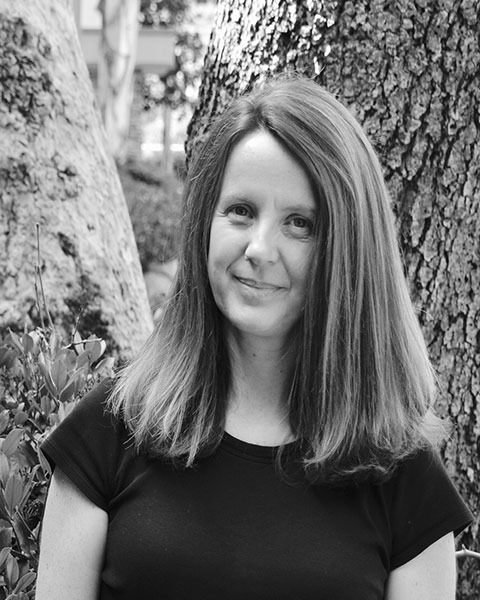
V. Robin Weersing, Ph.D. (she/her/hers)
Professor
SDSU-UC San Diego JDP in Clinical Psychology
San Diego, CA, United States
Objectives: To present the background, rationale, design, analyses, findings, and clinical implications for a Sequential Multiple Assignment Randomized Trial (SMART) that aimed to determine (1) whether, in real-world settings, with diverse and clinically complex patients, beginning treatment for pediatric anxiety disorders with fluoxetine or Cognitive Behavioral Therapy (CBT) yields better outcomes; and (2) when more improvement is needed, whether optimizing the initial treatment or transitioning to combination therapy is better.
Methods: This was 24-week SMART study employing two randomizations, one in each of two 12-week treatment stages. In Stage 1, youth received either fluoxetine or CBT. In Stage 2, non-remitters were randomized to either (1) optimization of Stage 1 treatment, or (2) combination therapy. Randomizations were stratified by age, sex, and symptom severity. Statistical analyses tested (1)whether fluoxetine or CBT as initial therapies yielded better 24-week outcomes; (2) whether non-remitters at week 12 had better outcomes if their initial treatment was optimized or if they transitioned to combination therapy; (3) whether any of the 4 possible treatment sequences(fluoxetine-->optimized fluoxetine; fluoxetine-->combination therapy; CBT-->optimized CBT; CBT-->combination therapy) yielded better 24-week outcomes than the other sequences.
Results: 316 youth, ages 8-17, who had moderate or severe and functionally impairing anxiety disorder were randomized. The sample was highly diverse: 64% were Hispanic, 56% had Medicaid, and they had a full range of co-occurring psychiatric diagnoses. Findings from the statistical analyses will be presented.
Conclusions: Our findings will show that CBT, fluoxetine, their combination, and variations in their sequencing delivered to diverse, anxious youth in community settings provide those youth, their families, and their care providers with a range of effective treatment options.
Speaker: Amy West, Ph.D. (she/her/hers) – Children's Hospital Los Angeles/University of Southern California
Speaker: Robert L. Findling, M.D. (he/him/his) – Virginia Commonwealth University
Speaker: Bradley Peterson, M.D. – University of Southern California, Children's Hospital Los Angeles
Speaker: Diana D. Woodward, M.A., M.S. (she/her/hers) – University of Southern California
Co-author: Emma Lindquist, MA – University of Southern California
Co-author: Reyna Rodriguez, PhD – Children's Hospital Los Angeles
Co-author: Hans Oh, PhD – University of Southern California
Co-author: V. Robin Weersing, Ph.D. (she/her/hers) – SDSU-UC San Diego JDP in Clinical Psychology
Co-author: Kathryn Smith, RN, Other – Dept. of Pediatrics, Keck School of Medicine, USC
Co-author: Bradley O. Hudson, ABPP, Psy.D. – University of Southern California
Co-author: Bradley Peterson, M.D. – University of Southern California, Children's Hospital Los Angeles
Co-author: Amy West, Ph.D. (she/her/hers) – Children's Hospital Los Angeles/University of Southern California
Speaker: V. Robin Weersing, Ph.D. (she/her/hers) – SDSU-UC San Diego JDP in Clinical Psychology