
.png)



Prevention
Charisse Nixon, Ph.D. (she/her/hers)
Penn State Erie, The Behrend College
Erie, PA, United States

Heather Risser, Ph.D. (she/her/hers)
Assistant Professor
Northwestern University Feinberg School of Medicine
Oak Park, IL, United States
Charisse Nixon, Ph.D. (she/her/hers)
Penn State Erie, The Behrend College
Erie, PA, United States
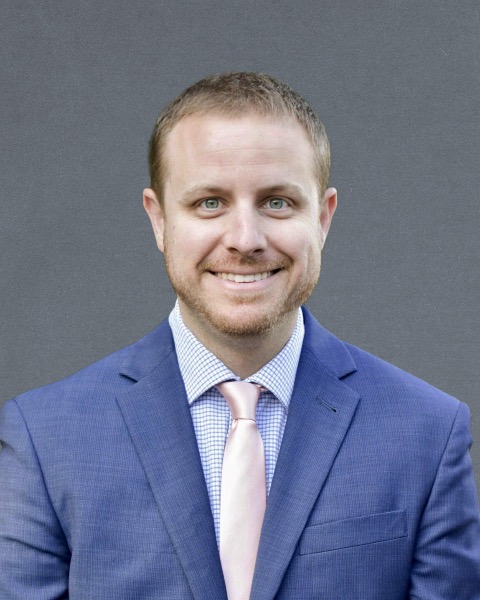
James Hodge, Ph.D.
Penn State Erie, The Behrend College
Erie, PA, United States
Melanie Hetzel-Riggin, Ph.D. (she/her/hers)
Professor of Psychology
Penn State Erie, The Behrend College
Erie, PA, United States
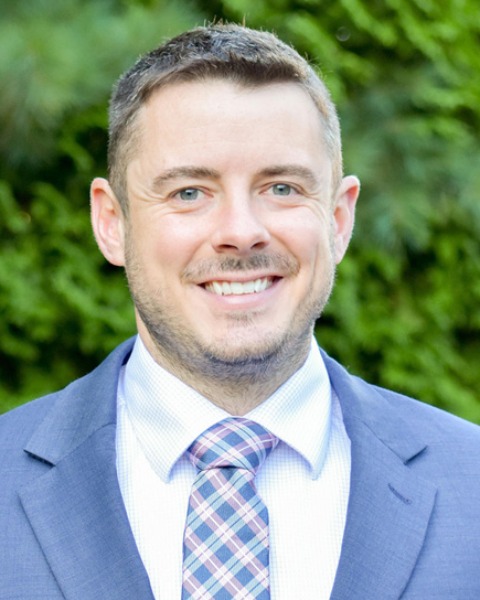
Wilson Brown, Ph.D. (he/him/his)
Penn State Erie, The Behrend College
Erie, PA, United States
Individual, community, and societal risk and protective factors interact across multiple settings to affect youth developmental outcomes. Understanding the mechanisms of resilience within the context of applied settings is essential to sustain effective prevention and intervention programs. Research has identified research to practice gaps. This symposium will provide examples of how community-engaged research can optimize developmental outcomes among youth. Presenters will discuss novel approaches to community-engaged research designed to benefit vulnerable youth who require systematic investigation and intervention. The first presentation will discuss a collaborative, evidence-based initiative between a university and local schools to promote positive youth development using a longitudinal approach. The use of trained college students will be highlighted as part of a unique methodological approach. Mediating and moderating variables will be highlighted as they relate to differential outcomes, particularly for marginalized youth. Results from several empirical studies demonstrate the unique role of social support for affected youth. The second presentation will discuss applied research aimed at building protective factors and reducing risk factors for youth in a school setting. The presentation will highlight the implementation of evidence-informed programming and evaluation of youth outcomes across diverse school settings. Overall, results from two quasi-experimental studies revealed statistically significant increases in students’ self-efficacy, self-esteem, and willingness to seek help for mental health concerns, and a significant reduction in mental health stigma for both self and others. These results will be discussed within the context of building protective factors through school-based intervention work. The third presentation will discuss community participatory research aimed at reducing youth exposure to domestic violence. The presentation will review the importance of creating partnerships with an array of community resources to develop achievable goals with stakeholder buy-in. Lessons learned in forming and maintaining a coalition throughout the project will be shared, as well as how continuous communication and regular evaluation feedback led to effective outcomes. The fourth presentation will outline his utilization of novel mixed methods designs in psychiatric residential treatment facilities (PRTFs) to better understand trauma-informed care practices for youth at highest risk for critical incidents. Primary findings of his work indicate that youth with severe traumatic stress symptoms are at highest risk for physical restraints, with prior neglect and the presence of psychotic symptoms mediating this relationship. Additionally, direct care staff may adopt incompatible caretaking styles with these clients depending on their behavioral presentations, further increasing risk for physical restraint. Implications for the benevolent care and promotion of positive youth development for children in PRTFs will be discussed. Attendees will leave with a better understanding of the use of applied research in community settings to optimize developmental outcomes.
Speaker: Charisse L. Nixon, Ph.D. (she/her/hers) – Penn State Erie, The Behrend College
Speaker: James J. Hodge, Ph.D. – Penn State Erie, The Behrend College
Speaker: Melanie D. Hetzel-Riggin, Ph.D. (she/her/hers) – Penn State Erie, The Behrend College
Speaker: Wilson J. Brown, Ph.D. (he/him/his) – Penn State Erie, The Behrend College