
.png)



Symposia
Child /Adolescent - ADHD
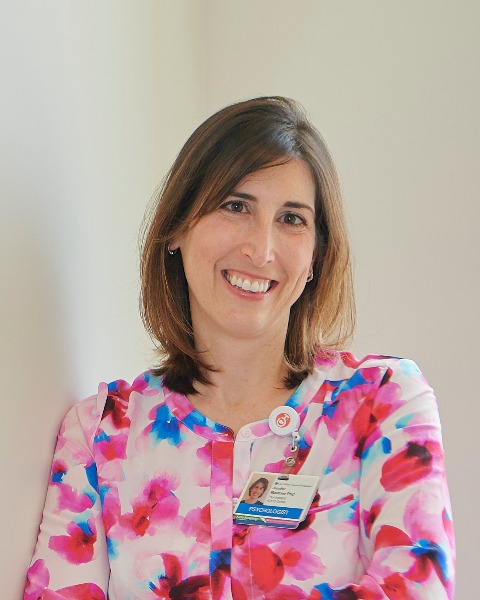
Jennifer A. Mautone, ABPP, Ph.D. (she/her/hers)
Assistant Professor
University of Pennsylvania Perelman School of Medicine
Philadelphia, PA, United States
Alex Holdaway, Ph.D. (he/him/his)
Psychologist
Children’s Hospital of Philadelphia
Philadelphia, PA, United States
Thomas J. Power, ABPP, Ph.D. (he/him/his)
Professor
Children’s Hospital of Philadelphia
Philadelphia, PA, United States
Less than 20% of children with behavioral health needs receive services (Costello et al., 2014). Children who are economically marginalized and minoritized are less likely to receive care than advantaged children (Chacko et al., 2020). When marginalized families do access care, it is often ineffective (Guevara et al., 2005).
Integrating services into primary care can improve equitable access to and effectiveness of behavioral health care (Hostutler et al., 2024); however, strategic modifications are likely necessary to address disparities (Shahidullah et al., 2023). To address disparities in engagement in care for marginalized families, our team developed Partnering to Achieve School Success (PASS) specifically for families of children with ADHD. PASS involves a Community Health Partner (CHP), who connects with families to: (a) promote session attendance and strategy implementation, (b) assist in resolving barriers to treatment, and (c) guide families to community resources. There is very limited research on use of CHP-type roles in pediatric behavioral health (Godoy et al., 2019). This presentation will describe pilot data related to CHP involvement in PASS.
This study was conducted in a trial comparing PASS to treatment as usual. PASS includes behavioral parent training and enhancements to promote family engagement, support school collaboration, increase caregiver distress tolerance, and improve team-based care. In addition to the CHP, PASS therapists utilize motivation strategies to support family empowerment and engagement. Data were derived from a survey completed by the CHP after each family contact and post-intervention interviews with families.
To date, CHPs have provided support to 122 families (75% Black; 53% family income < $40,000), including 820 family contacts (M = 6.7 contacts/family). Various means of contact have been utilized (65% phone call, 17% voice mail, 16% text message, 3% other). Most (92%) contacts were between the CHP and the patient’s mother and initiated (93%) by the CHP. Caregiver perceptions of the CHP were largely positive (97%), and qualitative interviews focused on utility of the role. Previous work by our team indicates positive associations between number of CHP contacts and sessions attended (r = .58) and show-rate (r = .29).
The presentation will conclude with a discussion of how involving CHPs in mental health care has the potential to reduce inequities in family engagement in evidence-based services.