
.png)



Symposia
Mental Health Disparities
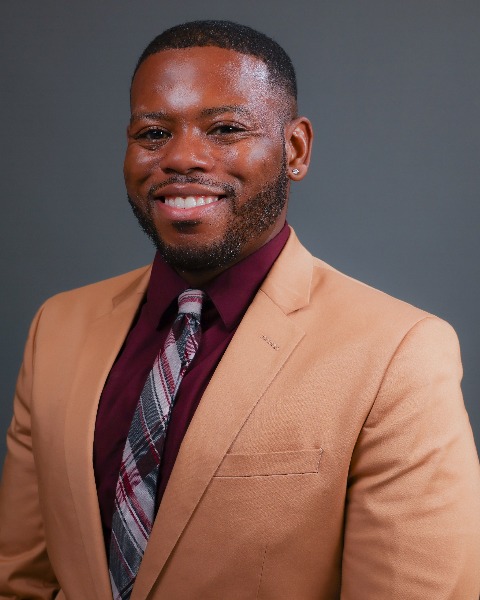
Henry A. Willis, Ph.D.
Assistant Professor
University of Maryland- College Park
College Park, MD, United States
Colin Roberts, BS (he/him/his)
Graduate Research Assistant
University of Maryland, College Park
College Park, MD, United States
This presentation explores whether Black youth find the intervention accessible (i.e., user-friendly, culturally relevant) and acceptable (i.e., useful and engaging) and whether it reduces the impact of racism-related stress on mental health. It also examines whether daily exposure to positive racial identity messages enhances racial identity beliefs, which may correlate with fewer mental health symptoms. Phase 1 focus groups identified key intervention needs, including coping with discrimination and strengthening racial identity (Willis & Neblett, 2023; Willis et al., in prep). Based on these insights, the culturally tailored intervention is being finalized. In May 2025, focus groups (~10 Black youth and young adults) will assess accessibility and acceptability. A 30-day pilot study (June-August 2025) with 100 Black young adults will track daily racism experiences, coping strategies, and mental health. Participants will receive three daily positive racial identity messages and log changes in racial centrality, racial regard, depression, anxiety, and stress. It is hypothesized that self-reported racism experiences will not predict next-day mental health symptoms, that racial identity beliefs will increase over 30 days and correlate with reduced symptoms, and that culturally specific coping strategies will buffer against racism-related distress. Preliminary results will be discussed and have the potential to inform culturally tailored digital interventions for Black youth.