
.png)



Symposia
Couples / Close Relationships
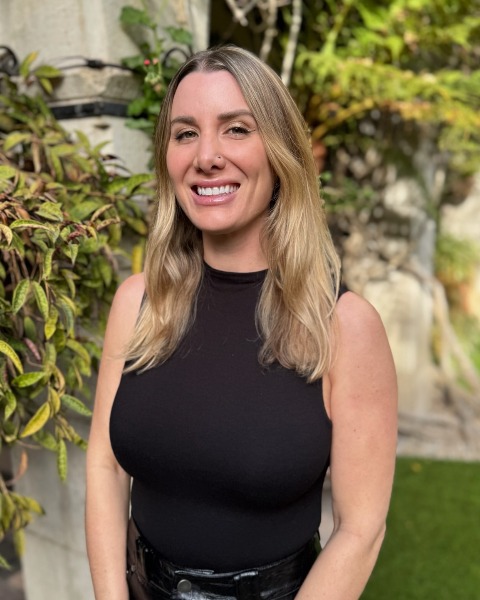
Chandra E. Khalifian, Ph.D.
Research Psychologist
University of California, San Diego and Veterans Affairs San Diego Healthcare System
San Diego, CA, United States
Sumire Lundell, B.A.
Research Coordinator
VA San Diego Healthcare System/University of California, San Diego
san diego, CA, United States
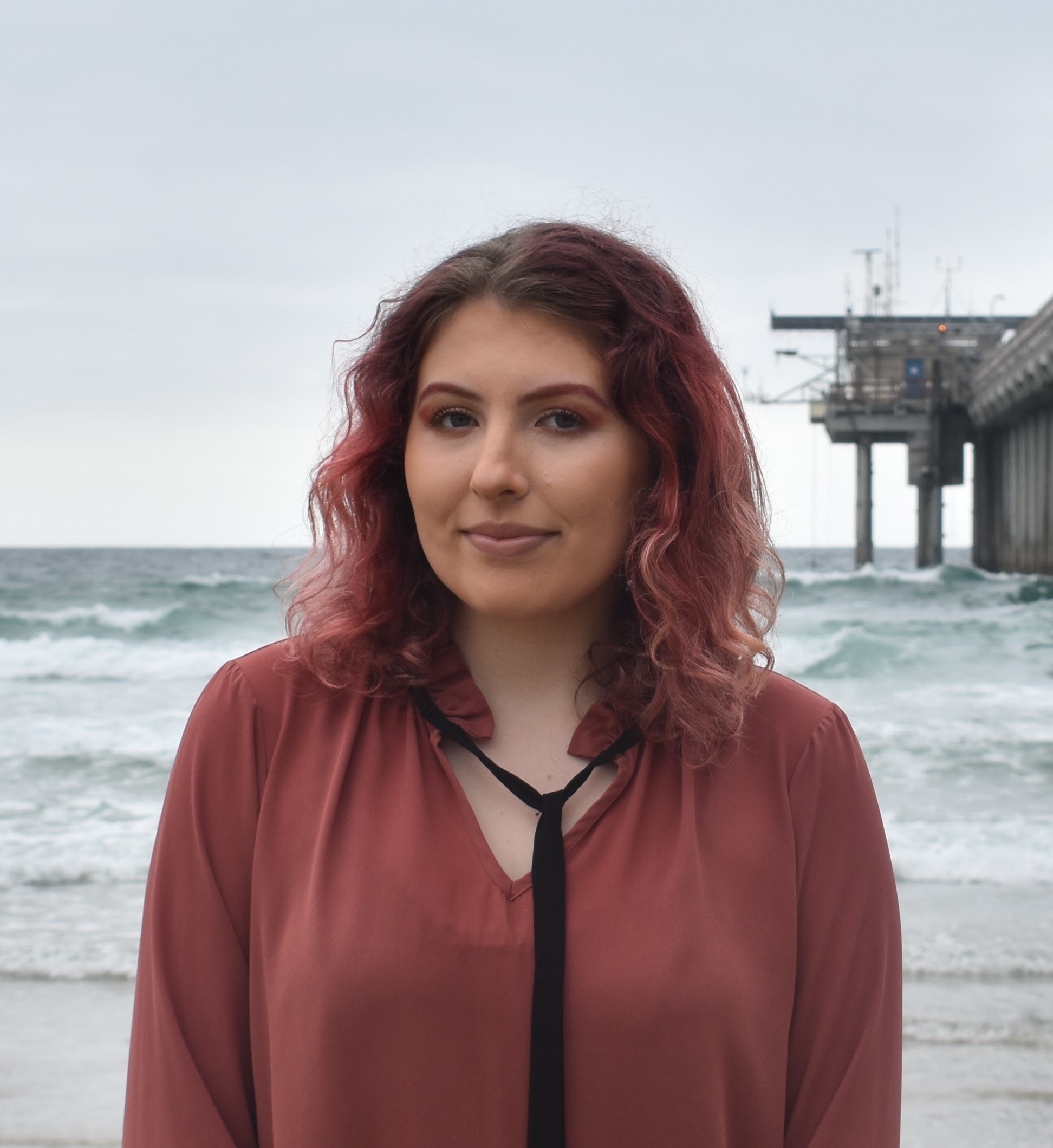
Katerine Rashkovsky, B.S. (they/them/theirs)
Research Coordinator
VA San Diego Healthcare System/University of California, San Diego
San Diego, CA, United States
Amy Hoang, BA (she/her/hers)
Research Coordinator
VA San Diego Healthcare System
San Diego, CA, United States
Feea Leifker, MPH, PhD (she/her/hers)
Research Assistant Professor
University of Utah
Salt Lake City, UT, United States
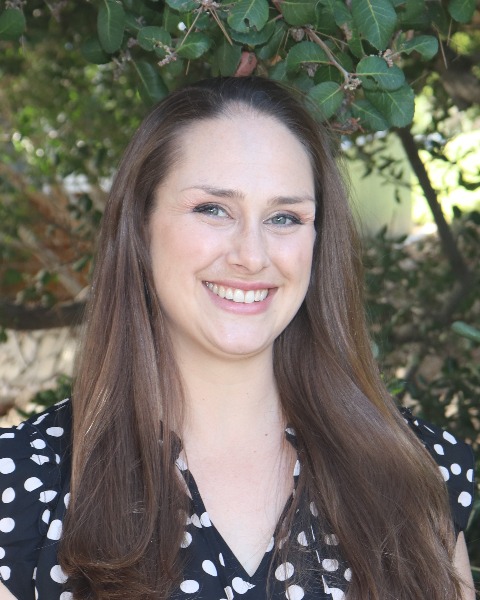
Kayla Knopp, Ph.D. (she/her/hers)
Research Psychologist
VA San Diego Healthcare System/University of California, San Diego
San Diego, CA, United States
Colin A. Depp, Ph.D.
professor
UCSD
La Jolla, CA, United States
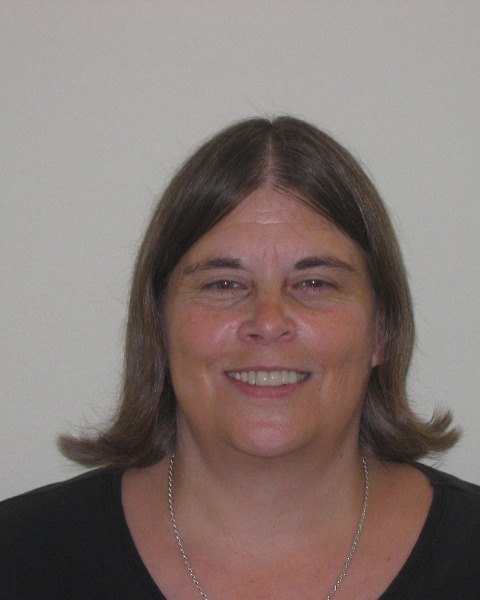
Shirley M. Glynn, Ph.D.
Clinical researchers
VA Greater Los Angeles Healthcare System
Los Angeles, CA, United States
.jpg "Leslie Morland, Psy.D. (she/her/hers) photo")
Leslie Morland, Psy.D. (she/her/hers)
Psychologist
National Center for PTSD
San Diego, CA, United States
Background: Relationship functioning is intimately tied to suicide risk; indeed, couple distress is often the number one predictor of suicide and supportive relationships serve as a protective factor. For years, suicide prevention has been the top clinical priority within the Veterans Affairs Healthcare System; however, no couple-based suicide interventions are available. To meet this need, a Career Development Award (CDA) supported the development and clinical trial of Treatment for Relationships and Safety Together (TR&ST), an 11-session couples’ intervention focused on emotion regulation, communication about suicide and relationship distress, and conjoint cognitive work to modify maladaptive thoughts.
Method: To date, 39 couples have been randomized to TR&ST or VA Standard Suicide Care. All couples include a veteran who reported CSSRS >2 (active suicidal ideation) in the past 1 month and/or a suicide attempt in the prior 3 months. Couples completed baseline, weekly, post-treatment, and 3-month follow-up measures of multiple domains of relationship functioning and suicidal ideation, as well as qualitative interviews at post and follow-up. Preliminary analyses used t-tests to examine baseline to post-treatment effect sizes. Latent growth curve models will be used to analyze the full sample.
Results: Preliminary outcomes indicate that TR&ST reduces suicidal ideation (p = .011; moderate effect, g = 0.74) and depression (p = .024; moderate effect, g = 0.64) for veterans. For veterans and partners, respectively, TR&ST reduces perceived burdensomeness and thwarted belonging (p = .002; large effect, g = 0.97; p = .027; moderate effect, g = 0.63), and improves communication (p = .002; large effect, g = 1.42; p = .012; moderate effect, g = 0.73). VA Standard Suicide Care reduced depression (p = .016; moderate effect, g = 0.64) but not suicidal ideation (p = .38; moderate effect, g = 0.21) for veterans. Standard Care did not improve relationship functioning for veterans or partners. The retention rate for TR&ST was 80%. Suicide behavior data and follow-up assessments will be examined and presented with the full sample.
Discussion: TR&ST data suggests that veterans and their partners are engaged in and benefitting from this couple-based suicide intervention and that TR&ST may be effective at reducing suicide risk and improving relationship functioning, leading to a more meaningful and connected relationship and life.