
.png)



Symposia
Violence / Aggression
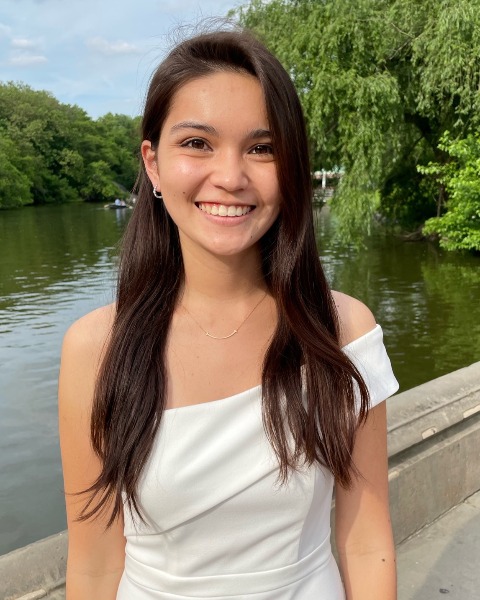
Lauren Simpson, B.A.
Graduate Student
University of Nebraska-Lincoln
Lincoln, NE, United States
Lauren Simpson, B.A.
Graduate Student
University of Nebraska-Lincoln
Lincoln, NE, United States
Alexandra Brockdorf, PhD (she/her/hers)
Postdoctoral Fellow
Medical University of South Carolina
Charleston, SC, United States
Rebecca Brock, PhD (she/her/hers)
Associate Professor
University of Nebraska-Lincoln
Lincoln, NE, United States
.jpg "Terri L. Messman, Ph.D. photo")
Terri L. Messman, Ph.D.
Professor
Miami University
Oxford, OH, United States
Kim L. Gratz, Ph.D. (she/her/hers)
Affiliated Psychology Faculty
University of Toledo
Toledo, OH, United States
David DiLillo, Ph.D. (he/him/his)
University of Nebraska-Lincoln
Lincoln, NE, United States
Women who experience intimate partner violence (IPV) are at increased risk for problematic drinking (Dichter et al., 2017). The motivational model of alcohol use theorizes individuals drink to reduce or manage negative emotions, known as drinking to cope (Cooper et al., 1995). Though prior research links greater IPV severity to greater drinking to cope (Øverup et al., 2015), it has overlooked emotion dysregulation as a potential explanatory factor. Given the persistent, intense emotional distress associated with IPV, emotion dysregulation may be a key mechanism linking IPV to drinking to cope. Using longitudinal data, the current study examines if emotion dysregulation mediates relations between IPV and drinking to cope. We hypothesized that higher past year IPV severity would predict greater emotion dysregulation, which in turn would be associated with more drinking to cope four months later. We also conducted exploratory analyses to examine different aspects of emotion dysregulation as distinct mediators.
Participants were 491 community women (Mage = 21.74, SD = 2.23; 61.3% White, 35% Black) who self reported past year IPV (CTS2; Straus et al., 1996), current emotion dysregulation (DERS; Gratz & Roemer, 2004) and drinking to cope (DMR-Q; Cooper, 1994) at baseline and four months later.
Separate mediation analyses were conducted in Mplus with 5,000 bootstrapped random samples using 95% confidence intervals. Global emotion dysregulation significantly mediated the relation between past year IPV and drinking to cope four months later, controlling for prior drinking to cope (b = .02, SE = .01, 95%CI [.007, .029]). Significant indirect effects were found through most aspects of emotion dysregulation (clarity, nonacceptance, limited strategies, goal directed behaviors, impulsivity), except for emotional awareness.
These longitudinal findings establish temporal precedence and control for prior drinking to cope, providing a rigorous evaluation of emotion dysregulation as a key mechanism linking IPV and subsequent drinking to cope. One limitation is reliance on self report measures, which may be subject to recall bias. Future work may benefit from more frequent assessments or objective measures. Nonetheless, by examining these processes over an extended period, this study highlights factors influencing longer term patterns of risk. Specifically, findings underscore the importance of emotion dysregulation as a factor that clinicians and shelter advocates might effectively target in alcohol use interventions for women experiencing IPV.