
.png)

Symposia
Treatment - CBT
Marc J. Weintraub, Ph.D.
Assistant Professor
UCLA Semel Institute
Los Angeles, CA, United States
Jessica Jeffrey, M.P.H., M.D., Other
Associate Vice Chair of Clinical Affairs
University of California, Los Angeles
Los Angeles, CA, United States
Megan Ichinose, Ph.D.
Clinical Psychologist
UCLA
Los Angeles, CA, United States
Lindsey Bergman, PhD (she/her/hers)
Clinical Psychologist
UCLA
Los Angeles, CA, United States
Anabel Salimian, BA (she/her/hers)
Research Assistant
UCLA
Los Angeles, CA, United States
Benjamin Shapiro, MD (he/him/his)
Psychiatrist
UCLA Semel Institute
Los Angeles, CA, United States
Hewa Artin, MD (he/him/his)
Psychiatrist
UCLA Semel Institute
Los Angeles, CA, United States
Gregory Barnett, MD (he/him/his)
Psychiatrist
UCLA Semel Institute
Los Angeles, CA, United States
Marc Lynn, LCSW (he/him/his)
Social Worker
UCLA Semel Institute
Los Angeles, CA, United States
Charles Grob, MD (he/him/his)
Professor
UCLA Semel Institute
Los Angeles, CA, United States
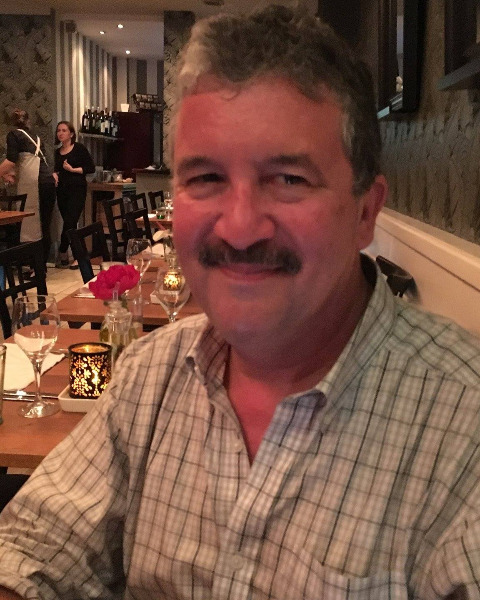
David J. Miklowitz, Ph.D.
Distinguished Professor of Psychiatry
University of California Los Angeles
Semel Institute, UCLA
Los Angeles, CA, United States
Background. Psilocybin-assisted therapy has emerged as a therapeutic agent for a range of mental disorders, including major depressive disorder. Virtually no research has examined the psychotherapy component. As such, there is a significant need for a protocolized psychotherapy that can be tested and optimized to adjoin psilocybin treatment. Cognitive behavioral therapy’s (CBT’s) action-oriented approach, providing tangible skills in sessions and encouraging between-session practice may enhance the effects of psilocybin. Psilocybin may also help improve the efficacy of CBT through its facilitation of cognitive flexibility and openness to new experiences.
Methods. We have protocolized a psilocybin-assisted cognitive behavioral therapy (PA-CBT) for adults with major depressive disorder. PA-CBT includes the core preparatory elements of standard psychedelic-assisted therapy, two psilocybin sessions (10mg & 25mg), and 12 sessions of cognitive behavioral therapy. Participants were enrolled in an open trial of the 4-month PA-CBT treatment. The study's goals were to examine the treatment’s feasibility, acceptability, and clinical effects from pre-treatment to 3 months post-treatment (7-month trial, overall).
Results. We will present data on 16 participants who have enrolled in our open trial of PA-CBT. Nine of the 16 enrolled participants have completed the 7-month trial, 5 have completed treatment and are awaiting the 3-month follow-up assessment, and 2 are mid-way through the study treatment. All enrolled participants have been retained through the study. Preliminary data suggest high acceptability and feasibility of the treatment. Based on self-report and study-assessor ratings thus far, participants have shown significant improvements in depressive symptoms and psychosocial functioning from pre-treatment through the 3-month follow-up period.
Conclusion. This research provides answers to critical questions about the acceptability, feasibility, and clinical outcomes of combining standard psilocybin treatment with the gold-standard psychotherapy (CBT) for major depressive disorder. Preliminary data suggest that CBT is an acceptable and feasible adjunct to psilocybin treatment for major depressive disorder. The study also indicates initial beneficial effects of psilocybin plus CBT on participants’ psychiatric and psychosocial functioning. This open trial will be followed by a randomized controlled trial comparing PA-CBT to psilocybin treatment with minimal therapeutic support for major depression.