
.png)



Symposia
Treatment - CBT
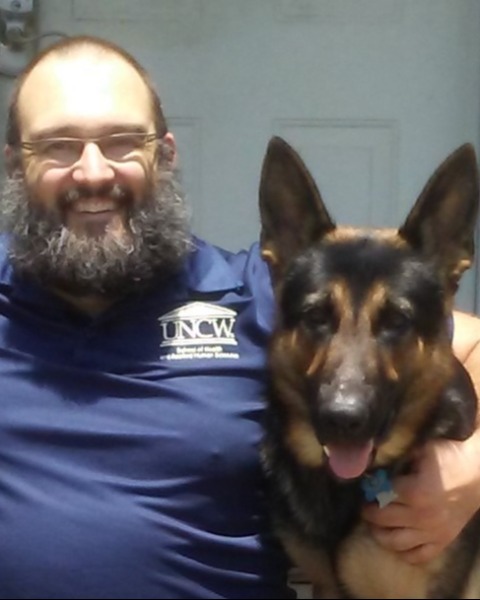
John Lothes, II, Ed.D (he/him/his)
Lecturer
University of North Carolina Wilmington
Wilmington, NC, United States
John Lothes, II, Ed.D (he/him/his)
Lecturer
University of North Carolina Wilmington
Wilmington, NC, United States
Over the last decade there has been a dramatic increase in Intensive Outpatient Programs (IOPs) in the United States (US). The increase in IOPs may also be the result of a decrease in Partial Hospital (PH) programs over the years (Thomas, 2009). In 2011, there were 6,089 facilities in the US that reported offering IOPs, with 44% being addiction treatment programs (McCarty et al, 2014; SAMHSA, 2012). Moreover, in 2019 there were 8,027 IOPs reported in the US (SAMHSA, 2020). This is a 75% increase in IOPs across the nation. As Dialectical Behavior Therapy therapists we need to be cognizant that DBT-IOPs and PHs still need to adhere to the principles and foundations Dr. Linehan laid out.
DBT IOP and PH programs occupy a space in the continuum of care where multiple treatment goals may overlap-- the need to stepdown from a higher level of care, prevention of moving to higher levels of care, creation of daily structured activation and routines, and delivery of a large amount of treatment in a short amount of time, to name a few. Co-existing with these complex goals is the need to stay consistent with the principles and structures of the treatment and find ways to maintain the core premise of DBT skills training - acquiring, strengthening, and generalizing skills- a premise which is encoded in the standard one-year treatment agreement and more challenging in shorter more intensive programs.
The symposium seeks to demonstrate the ways in which programs utilize the principle-based structure of DBT to create IOPs and PHs which are faithful to the original model of DBT. Specifically, data from an IOP and PH program will present the data from program evaluation data to demonstrate the linkages between DBT principles and program implementation and outcomes.
Eighty-four patients (PH: 40, IOP: 44, M: 21, F: 63) completed the intake/discharge paperwork. The data for 2024 has already been collected and pre/post results have shown that both PH and IOP Hopelessness (Beck Hopelessness Scale) scores decreased significantly, Depression, Anxiety and Stress (DASS-21) scores decreased and PTSD ratings (PCL-5) sub-scales and overall PCL5 scores showed decreases from intake to discharge. PH patients mindfulness score for Describe, Non-react, Observe, and FFMQ total showed increases. Act with awareness and non-judge did not show significant changes from intake to discharge. Mindfulness scores for IOP patients showed increases except for Act with Awareness (p < . 06). Results show that when DBT is delivered adherently in a PH/IOP setting symptom reduction can occur and mindfulness can increase.