
.png)



Women's Issues
Jessica Salinas, B.S.
Research Assistant
University of Texas Health Science Center at San Antonio
San Antonio, Texas, United States
Diamond Hercules, B.S.
Research Assistant
University of Texas Health Science Center at San Antonio
San Antonio, Texas, United States
Salome Wilfred, Ph.D.
Postdoctoral Research Fellow
University of Texas Health Science Center at San Antonio
San Antonio, Texas, United States
Taylur Loera, B.S.
Student
Texas State University
San Antonio, Texas, United States
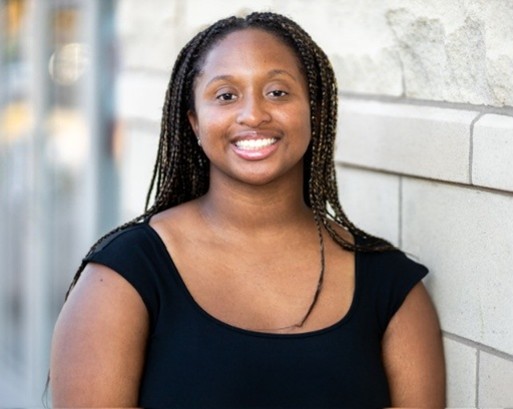
Michelle Okyere, B.S.
Postbaccalaureate Student
University of Texas Health Science Center at San Antonio
San Antonio, Texas, United States
Lisa S. Kilpela, Ph.D.
Associate Director of the ReACH Center
University of Texas Health Science Center at San Antonio
San Antonio, Texas, United States
Long COVID consists of a range of health issues that emerge following an initial COVID-19 infection. Symptoms may endure for weeks, months, or even years, often leading to significant impairment. Long COVID remains a complex and often misunderstood condition, particularly in communities disproportionately affected by health disparities. Many individuals struggle to recognize its symptoms and navigate available treatment options. Therefore, effective health communication strategies must be tailored to the preferences of local communities. To better understand and develop these community driven strategies, the needs of the community must, first, be understood. This study explores marginalized community perceptions of Long COVID, including confusion surrounding diagnosis, sources of health information, and the significance of the condition within their communities.
Participants were recruited through flyers and word-of-mouth for focus groups held at local community centers to ensure accessibility. Eligible participants aged 22-82 (M = 58.11, SD = 15.59) were local residents of Bexar County, TX. Given that Bexar County is Texas’ most populous Hispanic county, we held English and Spanish groups. Participants primarily identified as Hispanic/Latina (85.7%), female (71.4%), and married or living with a partner (53.6%). Interested participants were informed that the focus group would be centered on discussing Long COVID and they were not required to participate. Having COVID-19 or knowing about Long COVID was not a prerequisite to participate. Before the sessions, participants completed a self-report survey assessing their knowledge, past experiences with Long COVID, and measures of depression, anxiety, quality of life, and medical mistrust.
Data collection is ongoing, thus far three focus groups have been conducted (N=28). Rapid thematic analysis revealed key themes: widespread confusion regarding Long COVID diagnosis and treatment; perceived lower levels of concern among younger participants; preference of diverse sources of information (e.g., word-of-mouth, local news, online searches); and frustration that physicians rarely consider Long COVID as a diagnosis. Final findings, including quantitative survey data and comprehensive thematic analysis, will be presented in our final poster.
Health disparities continue to shape access to diagnosis and care. Participants expressed concerns about the condition’s prognosis and the apparent generational divide in attitudes toward Long COVID. Their insights highlight the need for targeted health communication strategies that align with community preferences and ensure that medical professionals acknowledge and address Long COVID more effectively. Results of this investigation demonstrate that this disparity is demonstrated in Long COVID awareness and diagnosis.